Tom is a 38-year-old roofer in Pittsburgh who hurt his back in 2019 and got his first prescription for oxycodone after surgery. By 2021 he was buying pills on the side. By 2023 he had switched to fentanyl because pills had gotten too expensive and the supply was unreliable. He went to detox twice and relapsed within a week each time. His sister told him about Suboxone. He searched “suboxone clinic near me” on a Tuesday morning, found a primary care doctor in his neighborhood who prescribed it, and was inducted on Saturday. Two years later he is still on buprenorphine, still working, and has not used illicit opioids since the second day on his medication. The story is unremarkable in modern addiction medicine, which is exactly the point.
Medication-assisted treatment is the gold standard for opioid use disorder. The evidence has been settled for two decades. What has changed dramatically is access. The federal MAT Act, signed into law at the end of 2022, eliminated the X-waiver requirement that had limited which doctors could prescribe buprenorphine. Telemedicine flexibilities adopted during the pandemic and partially extended afterward made it possible to start treatment without an in-person visit in many cases. Methadone, buprenorphine, and naltrexone each have a place. The choice depends on severity, prior treatment, life logistics, and patient preference. This guide walks through the differences and how to find the right program.

How Methadone and Buprenorphine Differ Pharmacologically
Both medications are opioids and both treat opioid use disorder by occupying the same mu-opioid receptors that heroin, fentanyl, oxycodone, and hydrocodone target. The mechanism is the same. The pharmacology is different in ways that matter clinically.
Methadone is a full mu-opioid agonist with a long half-life (roughly 24 to 36 hours). At appropriate doses it produces full receptor activation, which is why it is effective for high-tolerance patients who have used fentanyl or large quantities of heroin. The full agonism also means there is no ceiling on respiratory depression. Overdose is possible if methadone is misused or combined with benzodiazepines and alcohol. Methadone clearance varies widely between individuals, which is why the induction protocol is slow and why the medication has historically been confined to federally regulated opioid treatment programs (OTPs) where doses are observed.
Buprenorphine is a partial mu-opioid agonist with high receptor affinity and a ceiling effect on respiratory depression. The ceiling means that increasing the dose past a therapeutic range does not produce more euphoria or more breathing suppression. This is why buprenorphine has a substantially safer profile than methadone for outpatient prescribing. Suboxone is buprenorphine combined with naloxone, an opioid antagonist that is poorly absorbed sublingually but blocks the high if someone tries to inject the medication. Subutex is buprenorphine alone, used in pregnancy and certain other clinical situations.
Why MAT Is the Gold Standard for Opioid Use Disorder
The Cochrane reviews of methadone and buprenorphine, the World Health Organization guidelines, the SAMHSA TIP 63 protocol, and the American Society of Addiction Medicine guidelines all reach the same conclusion. Medication-assisted treatment reduces opioid use, reduces overdose deaths by roughly 50 to 60 percent, reduces transmission of HIV and hepatitis C, and improves treatment retention compared with abstinence-only approaches.
The evidence is so strong that residential abstinence-only programs without MAT options are increasingly viewed as substandard care for opioid use disorder. The risk of overdose death in the weeks after discharge from abstinence-only treatment is dramatically elevated because tolerance has dropped while the access to opioids in the community has not changed. ASAM, accessible at asam.org, publishes detailed practice guidelines on MAT including dosing, induction, and clinical monitoring.
How to Find a Suboxone Prescriber
Before 2023, only doctors who completed an 8-hour training and obtained an “X-waiver” could prescribe buprenorphine for opioid use disorder. The MAT Act eliminated this requirement. Any DEA-registered clinician with a Schedule III license can now prescribe buprenorphine, dramatically expanding access. The bottleneck has shifted from regulatory to clinical comfort and operational capacity.
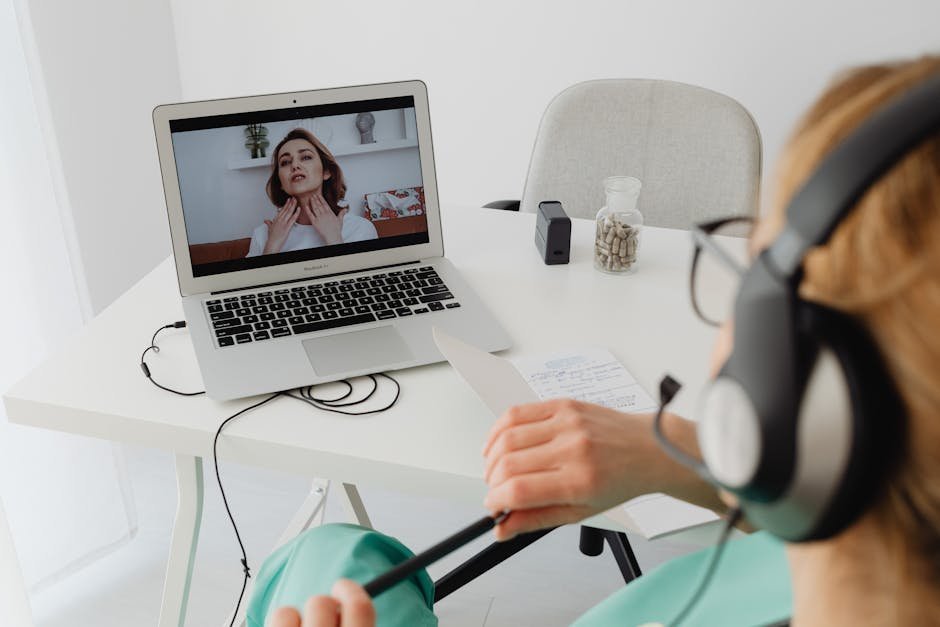
The fastest way to find a prescriber is the SAMHSA Buprenorphine Practitioner Locator at samhsa.gov, which lists prescribers by zip code. The list still skews toward addiction medicine specialists, but more primary care offices are showing up. Other paths include calling your insurance and asking for in-network buprenorphine prescribers, asking your primary care physician to prescribe directly, contacting an addiction medicine fellowship program at a local academic medical center, or using a telemedicine service that specializes in MAT.
- Bicycle Health, Boulder Care, and Ophelia are telemedicine MAT programs operating across multiple states with insurance acceptance.
- Workit Health and Eleanor Health are hybrid programs combining telemedicine with in-person services.
- Community health centers and FQHCs increasingly offer MAT, often on a sliding fee scale.
- Hospital-based addiction medicine clinics typically have the strongest psychiatric and medical support.
How Methadone OTPs Work
Methadone for opioid use disorder is dispensed through opioid treatment programs licensed by SAMHSA, certified by an accrediting body (CARF or Joint Commission), and registered with the DEA. There are roughly 1,900 OTPs in the United States, concentrated in urban areas. Many rural counties have no OTP within an hour’s drive, which is one of the long-standing access problems for methadone.
Patients in early methadone treatment typically attend the OTP daily for observed dosing. Take-home privileges accumulate based on time in treatment, drug screen results, and clinical stability. After at least two years of stability, patients can receive up to 28 days of take-home doses. The 2024 SAMHSA rule changes loosened take-home criteria, allowing earlier and more flexible take-homes than the prior framework. The DEA, accessible at dea.gov, retains regulatory oversight on methadone diversion and dispensing security.
The OTP model can feel intrusive to people with full-time jobs or family responsibilities. Daily dosing windows, urine drug screens, mandatory counseling sessions, and lack of flexibility around vacations are real costs. For some patients, especially those with high-tolerance fentanyl exposure or prior buprenorphine failure, methadone is still the best clinical option despite the logistics. Our piece on outpatient versus inpatient detox walks through the considerations for opioid withdrawal management before MAT initiation.
Naltrexone and Vivitrol as the Third Option
Naltrexone is a full opioid antagonist. It blocks opioid receptors so that any opioid taken produces no effect. Oral naltrexone (50 mg daily) has poor adherence and is rarely used for opioid use disorder. Extended-release naltrexone, marketed as Vivitrol, is a monthly intramuscular injection that has substantially better adherence. Vivitrol requires complete opioid abstinence for 7 to 14 days before initiation, which is a significant barrier in active addiction.
Vivitrol works for some patients but has lower retention than buprenorphine in head-to-head trials, partly because the run-in period excludes the most acutely ill patients. It is sometimes preferred by patients who have already detoxed (post-incarceration, post-residential), who want a non-opioid option, or who have specific contraindications to buprenorphine. Naltrexone also treats alcohol use disorder, so patients with both opioid and alcohol problems sometimes choose Vivitrol for that reason.
Insurance Coverage After 2023
Medicaid covers buprenorphine, methadone, and naltrexone in all 50 states as of 2024, though prior authorization rules vary. Medicare Part D covers buprenorphine, naltrexone, and (since 2020) methadone for opioid use disorder. Most commercial plans cover MAT, with monthly out-of-pocket costs typically running $20 to $100 for buprenorphine generic formulations. Sublocade, the monthly injectable buprenorphine, runs roughly $1,500 to $1,800 per month and requires more substantial prior authorization.
Cash-pay clinics that operate outside insurance vary widely in price and quality. Some run reasonable fees ($150 to $250 per monthly visit including the medication). Others charge $400 to $600 per visit and add unnecessary services. The DEA pharmacy database shows clusters of high-volume buprenorphine prescribing in some states that have been investigated for diversion concerns. A legitimate clinic does drug screens, requires counseling, and does not allow rapid escalation of doses without clinical justification. Our overview of substance use levels of care covers how MAT integrates into outpatient treatment more broadly.
The Induction Process and What to Expect
Buprenorphine induction has historically been done in office, with the patient arriving in moderate withdrawal (Clinical Opioid Withdrawal Scale score of 11 or higher) to avoid precipitated withdrawal. The arrival of high-dose fentanyl in the illicit supply has complicated this. Fentanyl accumulates in body fat and persists at low levels for days after the last use. Starting buprenorphine too early in fentanyl withdrawal can precipitate severe withdrawal that lasts hours.
Two newer protocols address this. Microdosing or “Bernese induction” uses very small doses of buprenorphine started while the patient continues to use opioids, escalating slowly over 5 to 7 days until full transition. High-dose induction starts with larger initial doses (16 to 32 mg sublingual) once moderate withdrawal is achieved, accepting some discomfort to get to therapeutic dose faster. Both protocols have growing evidence and most experienced MAT clinicians use one or both depending on the patient.
The Stigma Reality
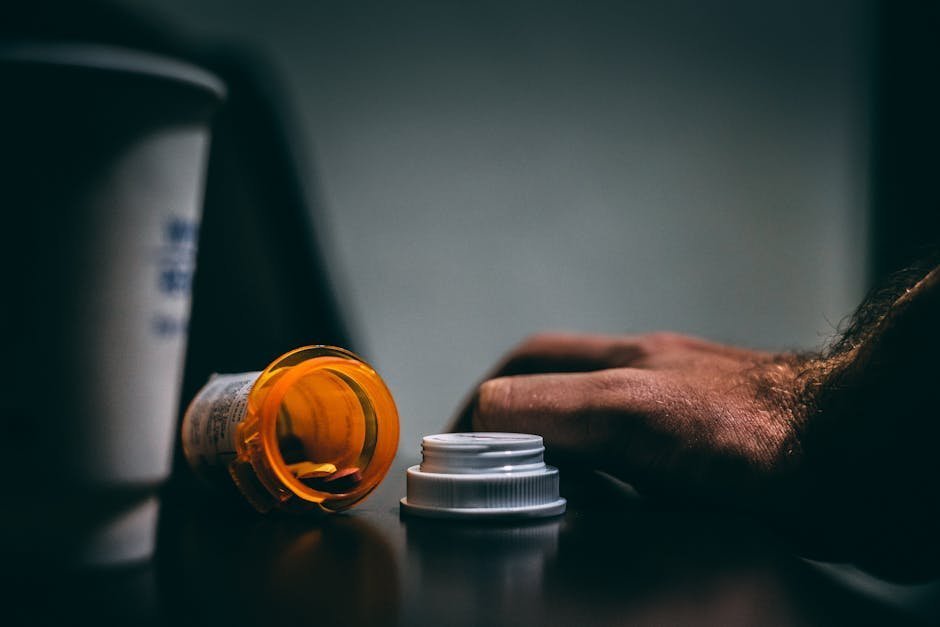
Twelve-step communities have a complicated relationship with MAT. Narcotics Anonymous, in particular, has historically excluded people on methadone or buprenorphine from sharing as full members. The position has softened in recent years and many local meetings welcome MAT patients, but the cultural hangover persists. Some recovery housing requires medication-free residency. Some employers, particularly in safety-sensitive industries, treat MAT differently than other prescribed medications despite the federal disability law protections.
Patients frequently encounter messages that they are “not really clean” if they are on buprenorphine. The clinical reality is that buprenorphine and methadone treat opioid use disorder the way insulin treats diabetes. Stopping the medication produces relapse for the majority of patients who have moderate to severe opioid use disorder. The decision about how long to continue MAT is between the patient and the prescriber. Many patients stay on indefinitely, and current evidence does not support a hard stop after 1 or 2 years. Patients with co-occurring conditions face additional layers of decision-making, which our piece on dual diagnosis when alcohol and anxiety collide addresses for similar treatment-philosophy clashes.
When to Choose Which Medication
The decision is shared between patient and prescriber. Some clinical patterns push toward one option.
- Methadone tends to be best for high-tolerance fentanyl users, patients who failed prior buprenorphine, patients with significant chronic pain alongside OUD, and patients who do well with the structure of daily OTP attendance.
- Buprenorphine works for most patients with moderate to severe OUD, and offers the best combination of effectiveness, safety, and access. Office-based prescribing fits work and family schedules. Sublocade injection improves adherence further.
- Vivitrol fits patients who have already completed detox, who want a non-opioid option, who have alcohol use disorder alongside OUD, or who are post-incarceration with a clear sober window.
Frequently Asked Questions
How long do I need to be on Suboxone?
The honest answer is that nobody knows your specific timeline in advance. Average retention at 12 months in studies is roughly 50 to 60 percent, with longer retention associated with better outcomes. Many patients stay on buprenorphine for years or indefinitely. Tapering off should be slow (months to years) and only after substantial recovery is established. Discontinuation increases relapse and overdose risk significantly.
Will I need counseling alongside the medication?
Federal regulations require counseling availability in OTPs but the evidence is mixed on whether mandatory counseling improves outcomes for buprenorphine patients. ASAM recommends behavioral treatment alongside medication when feasible. Many patients benefit from concurrent therapy for trauma, mood disorders, or family issues. Some patients do well with medication alone. Talk with the prescriber about what is required versus recommended.
Can I get Suboxone through telemedicine without an in-person visit?
Yes in many states, though the federal Ryan Haight Act flexibilities have been extended several times since 2020 with periodic uncertainty. As of 2026, telemedicine initiation of buprenorphine remains permitted for opioid use disorder, with some states requiring an in-person visit within a specified period after starting. Check with the specific telemedicine provider about state-by-state rules.
What does precipitated withdrawal feel like and how do I avoid it?
Precipitated withdrawal can include severe sweating, vomiting, diarrhea, intense restlessness, and bone pain that comes on within an hour of taking buprenorphine. It usually lasts 4 to 12 hours. The way to avoid it is to wait until you are in moderate withdrawal before starting (with traditional induction), or to use a microdosing protocol where buprenorphine is started in tiny doses while opioids are still in the system. An experienced MAT prescriber will walk you through which approach fits.
What if my insurance denies coverage for the medication?
File an appeal. Generic buprenorphine-naloxone tablets and films are typically the first tier of coverage and rarely denied outright. Sublocade and Brixadi (the monthly and weekly injectables) often require step therapy. Manufacturer assistance programs exist for Sublocade, Vivitrol, and other branded MAT options. Patients without insurance can use SAMHSA’s resources to find sliding-scale clinics.
The Bottom Line
Searching “suboxone clinic near me” is now a reasonable first step toward effective treatment for opioid use disorder, where ten years ago it would have led to dead ends. The MAT Act, the expansion of telemedicine, and the growing willingness of primary care to prescribe buprenorphine have changed the access landscape. The medications work. The science is clear. What remains is the matching of patient to medication and to clinic. Tom from the opening was lucky to find a primary care doctor in his neighborhood. Many patients still face geographic and structural barriers, but those barriers are smaller every year. The most important step is the first call.
If you or someone you love is in immediate crisis, call or text 988 to reach the Suicide and Crisis Lifeline, available 24 hours a day across the United States.
This article is for general informational purposes only and is not a substitute for professional medical advice, diagnosis, or treatment. Always consult a qualified healthcare provider or licensed mental health professional regarding any medical or psychiatric concerns.