The first time Marcus tried to stop sertraline, he did what his prescriber suggested: cut the 100 mg dose in half for two weeks, then stop. By day six of the lower dose he was dizzy whenever he turned his head. By day three of zero he was crying in his car at lunch, sleeping four hours a night, and convinced his depression had “come roaring back.” His psychiatrist agreed and put him back on the full dose. Two years later, working with a different doctor who used compounded liquid sertraline and a slower schedule that stretched across nine months, Marcus finally got off the drug without the head-spins or the dread. The difference was not his diagnosis. The difference was the taper.
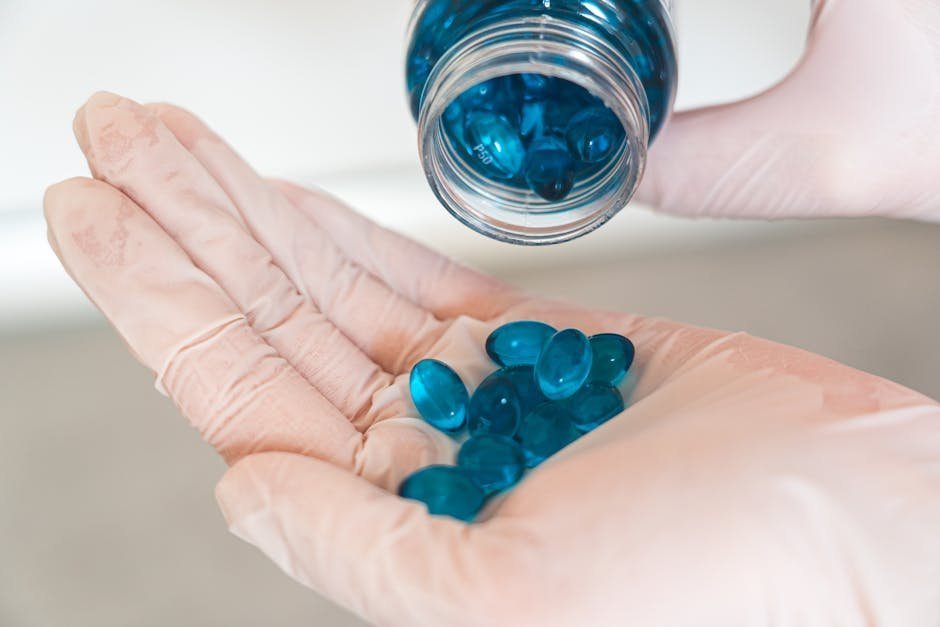
Tapering off antidepressants is one of the most common requests psychiatrists hear and one of the most poorly handled steps in mental health care. The drugs themselves are well studied for getting people well. The exit ramp has been an afterthought for thirty years. That is finally changing, and the gap between the old “just halve it for two weeks” advice and what current evidence actually supports is enormous.
How long are patients supposed to stay on SSRIs in the first place?
The American Psychiatric Association’s depression guideline and the UK’s NICE guidance agree on rough numbers. After a first depressive episode that responds to medication, the recommendation is to continue the drug for six to twelve months past the point of remission. That continuation phase is what prevents the rebound that hits people who quit the moment they feel better. For someone with two prior episodes, the recommendation jumps to one to two years. For three or more episodes, or any history of severe suicidal episodes, indefinite maintenance is on the table and often the right call.
The catch is that “remission” gets defined as “feeling normal for at least two months,” and most people start counting from the day they felt a little better, which is usually six to eight weeks too early. A sober reading of the timeline puts the average first-episode patient on an SSRI for around fourteen to eighteen months total, not the “six months and you’re done” most people remember from the prescriber’s office.
Recurrence rates: what happens when patients stop
Pooled data from the major maintenance trials puts the one-year recurrence rate after stopping antidepressants at roughly 40 to 50 percent for patients with a single prior episode and 65 to 80 percent for patients with three or more episodes. Continuing the medication cuts that risk by about half across the board. Drug class matters less than people assume. SSRIs, SNRIs, bupropion, and mirtazapine all show similar protective effects when continued. What does matter is whether the original episode was fully treated, whether sleep and substance use are stable, and whether the patient has any therapy skills to fall back on.
Building those skills before the taper begins is one of the strongest predictors of staying well. Our guide on relapse prevention walks through the warning-sign work that should happen before the first dose reduction, not after.
Discontinuation syndrome vs relapse: telling them apart
The single most expensive mistake in this whole area is mistaking withdrawal for the original illness coming back. They look alike on the surface and they show up in the same week, but the physiology is different and so is the fix.
Discontinuation syndrome usually starts within one to seven days of a dose drop. The classic features are dizziness, electric-shock sensations in the head and limbs (the famous “brain zaps”), nausea, vivid dreams, sweating, irritability, flu-like aches, and a strange anxious-buzzy feeling that does not quite match the person’s previous depression. Crucially, it improves within hours of resuming the prior dose. True relapse takes weeks to build, brings back the original symptom pattern (early-morning waking, anhedonia, slow thinking, suicidal ideation), and does not respond to a one-time dose bump.
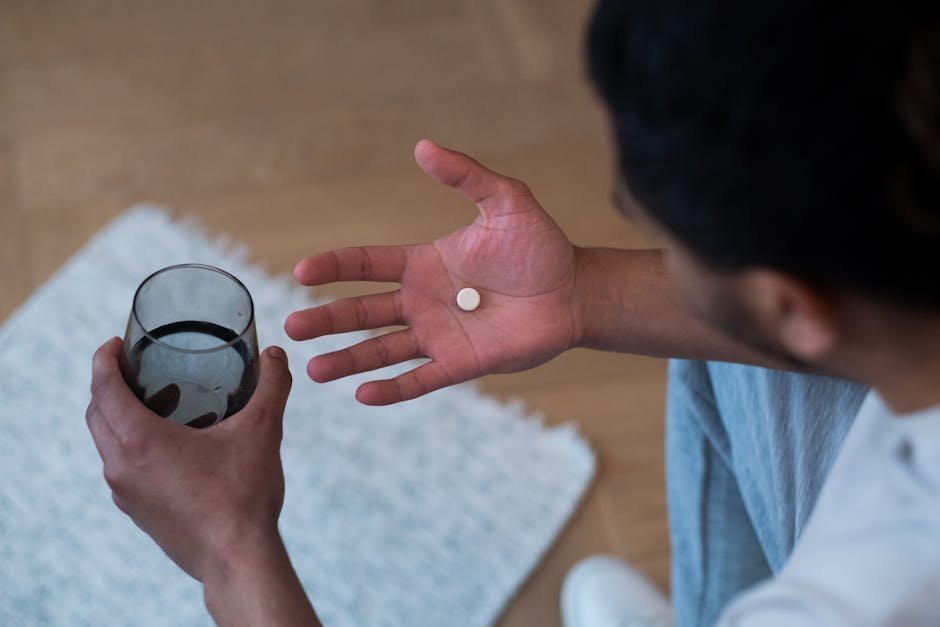
Hyperbolic tapering and the Maudsley Deprescribing Guidelines
The biggest shift in the field came from the work of Dr Mark Horowitz, a UK-based psychiatrist who published a series of papers showing that the receptor occupancy curve for SSRIs is not linear. Going from 20 mg of citalopram to 10 mg removes only about 6 percent of serotonin transporter occupancy. Going from 5 mg to 2.5 mg removes around 16 percent. Going from 2.5 mg to zero removes nearly 50 percent. The last few milligrams do most of the pharmacological work, which is exactly why people who tapered “fine” until the final cut crash hardest at the end.
The Maudsley Deprescribing Guidelines, published in 2024, took Horowitz’s curves and built drug-by-drug schedules that drop the dose by roughly 10 percent of the current dose every two to four weeks rather than 10 percent of the original dose. That looks like fast cuts at the top and tiny cuts at the bottom, often stretched across six to twelve months total. Liquid formulations and compounded micro-doses are required at the low end because most pills do not split below 2.5 mg.
Drug-by-drug: the schedules that actually work
Not every antidepressant behaves the same on the way out.
- Paroxetine (Paxil) is notorious. Short half-life, potent receptor binding, and active anticholinergic effects make it the hardest SSRI to come off. A reasonable schedule is 10 percent reductions every four weeks, switching to liquid below 10 mg. Patients often need nine to fifteen months total.
- Venlafaxine (Effexor) brings the worst brain zaps in the class. The extended-release beads can be counted out of the capsule for slow micro-titration, and bridging to fluoxetine for the last stretch is a recognised trick.
- Fluoxetine (Prozac) self-tapers because of its 4 to 16 day half-life and long-acting metabolite. Many patients can drop from 20 mg to 10 mg to alternate-day dosing to nothing across about two months without much trouble, which is why it is the “bridging” drug for harder ones.
- Sertraline, escitalopram, citalopram sit in the middle. Liquid concentrate exists for sertraline and citalopram, which makes the final 5 mg to zero stretch much easier than splitting tablets.
- Duloxetine (Cymbalta) only comes in 20, 30, and 60 mg capsules. The bead-counting method or compounded liquid is essentially required for a clean taper.
When to taper, when to stay, and when to switch instead
Stopping is not always the goal. A patient who has had three severe episodes, lost a job during the last one, and is finally sleeping should think hard before walking away from a working drug. Indefinite maintenance is medically reasonable and not a sign of weakness.
Good reasons to taper include a year of stable remission after a first episode, plans for pregnancy where the specific drug carries risk, intolerable side effects that have not improved (sexual dysfunction, weight gain, emotional blunting), or a clear sense from the patient that the medication is no longer adding anything. Bad reasons include a single rough week, a partner who “doesn’t like meds,” or the assumption that being on an antidepressant means you are not “really” better. The work of staying well after treatment matters whether the medication continues or not.
If the medication is not working, switching or augmenting is usually a better move than tapering to nothing. The National Institute of Mental Health has detailed write-ups on TMS, esketamine (Spravato), and IV ketamine for treatment-resistant depression. TMS is FDA-cleared, covered by most major insurance after two failed medication trials, and runs around $9,000 to $15,000 for a six-week course before insurance. Spravato runs about $700 to $900 per session at a certified clinic and requires twice-weekly visits for the first month.
The role of the prescriber and what to ask for
The biggest predictor of a clean taper is having a prescriber who treats it as real clinical work and not a five-minute footnote. A 2023 survey from the FDA adverse event database showed thousands of reports of severe withdrawal that were originally coded as “treatment failure” or “relapse.” Patients who came in with the Maudsley schedule printed out, asked specifically for liquid formulations, and scheduled monthly check-ins did dramatically better than patients who let the pharmacy hand them a default pill split.
A reasonable script for the appointment: “I would like to plan a slow taper using a hyperbolic schedule. Can we use the liquid formulation below 5 mg, drop by about 10 percent of the current dose every four weeks, and check in monthly? If I have discontinuation symptoms I would prefer to hold or go back up one step rather than push through.” Most prescribers will say yes; many will be relieved that someone wants a real plan.
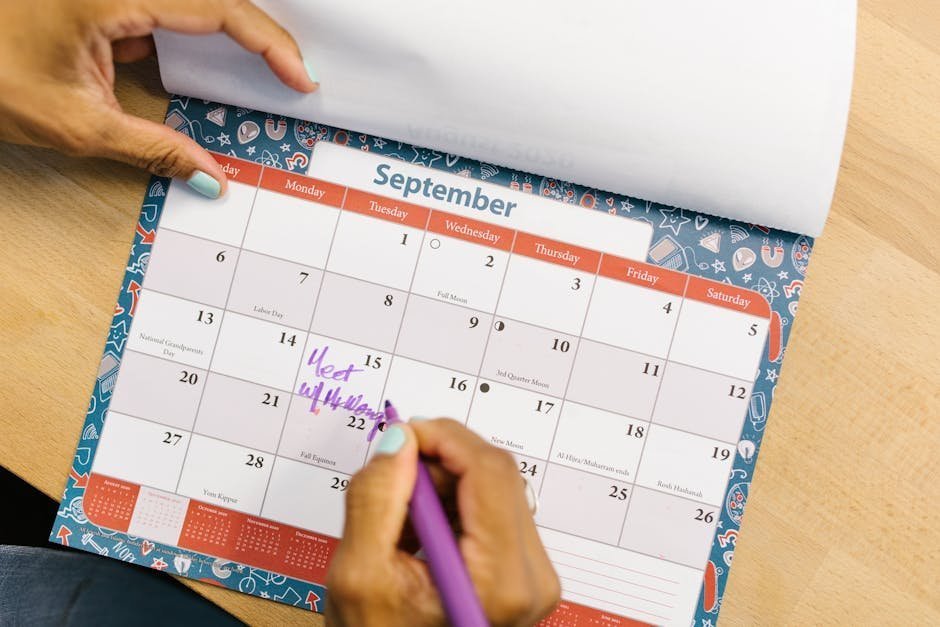
Building the toolkit that lets the taper actually work
Coming off an antidepressant is not just a pharmacology problem. It is a window during which the original vulnerabilities show their faces again. Sleep gets thinner, the stress-response system gets twitchier, and old patterns of rumination test the door. Patients who built a real recovery toolkit during the well-treated months tend to ride this out. Patients who relied on the pill alone tend to crash, which gets blamed on the taper but was really a missing skill set.
Practical pieces worth having in place before the first dose drop: a regular sleep schedule, two cardiovascular workouts a week, a therapist on standby for biweekly check-ins, a written list of personal early-warning signs, and a partner or close friend who knows the plan and has permission to flag changes the patient cannot see in themselves. Cutting alcohol to near-zero during the taper window matters more than people think. The combination of falling SSRI levels and bad sleep from drinking is responsible for a non-trivial share of “taper failures.”
Frequently asked questions
How long does antidepressant withdrawal usually last?
For most people on a sensible taper, mild symptoms last one to three weeks after each dose drop. After full discontinuation, the longer-tail symptoms (dizziness on quick head movements, intermittent zaps, mood lability) typically settle within four to eight weeks. A small minority experience protracted withdrawal lasting months; this is more likely after fast tapers from long-term use of paroxetine or venlafaxine.
Can I just skip days instead of using a liquid?
Alternate-day dosing works for fluoxetine because of its long half-life. For nearly every other antidepressant it produces miniature withdrawals on the off days and is one of the worst ways to come off. Liquid formulations or compounded capsules are dramatically smoother.
Will my insurance cover a compounded taper?
Most commercial plans do not cover compounded micro-doses, which can run $40 to $90 a month out of pocket. Liquid concentrate of fluoxetine, sertraline, citalopram, and paroxetine is FDA-approved and usually covered the same as the tablet form when prescribed correctly.
Is it safe to taper while pregnant?
That decision belongs with a reproductive psychiatrist. Untreated depression in pregnancy carries real risks of its own, and stopping mid-pregnancy can be more destabilising than continuing. SAMHSA’s National Helpline can connect patients with perinatal mental health specialists in their state.
What if I have to restart?
Restarting is not a failure. Many people need two or three full courses of treatment across a lifetime. The data on getting back to remission on a previously-effective drug is good: roughly 70 to 80 percent of patients respond again to the same medication that worked before, often faster than the first time.
The bottom line
Tapering off antidepressants works when the schedule respects the pharmacology and the person has real support around them. The old habit of halving the dose for two weeks and stopping is the reason so many patients believe they “can’t come off” their medication. Hyperbolic tapers, liquid formulations, monthly prescriber check-ins, and a serious recovery toolkit have changed the picture. The goal is not to be on or off pills. The goal is to be well, with the smallest medication footprint that keeps you that way.
If you are in crisis or having thoughts of suicide, call or text 988 to reach the Suicide and Crisis Lifeline. Help is free and confidential, twenty-four hours a day.
This article is for educational purposes only and does not constitute medical advice. Do not change or stop any prescribed medication without consulting your prescriber. Discontinuation reactions can be severe, and individual response varies considerably.