Tashawn Pellington was 22 weeks pregnant in August 2024 when she walked into a Knoxville detox facility carrying her overnight bag. The intake nurse looked at her belly, then at her chart, then told her the program could not accept pregnant patients and she should go to an emergency department. Tashawn had been using fentanyl daily for three years. She had insurance. She had bus fare. She had the courage to show up. She did not have a place to detox. She left the facility and called four other programs that afternoon. Three said no. One said yes but had a 6-week wait list. By the time her case manager at a federally qualified health center connected her to a methadone clinic that took pregnant patients on a same-day basis, she had used twice more out of withdrawal terror. Her son was born eight weeks later, healthy, on a stable methadone dose, and Tashawn is now nine months in recovery. She told the perinatal social worker at the methadone clinic that she had spent that August afternoon convinced the system did not want pregnant women like her to recover.
The barriers facing pregnant women with substance use disorders are some of the most documented and least addressed problems in American addiction medicine. Specialised rehab for pregnant women exists, and the federal protections supporting access have strengthened considerably since 2018, but most pregnant women trying to enter treatment still encounter the same friction Tashawn did. Knowing the rights, the medical standards, and the specific programs that work changes outcomes for both mother and infant.
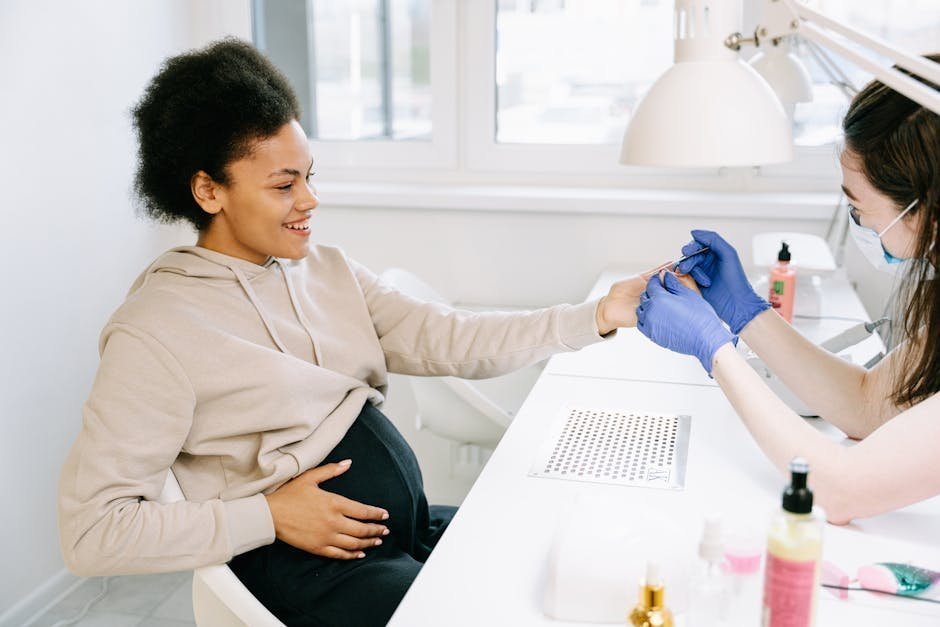
The Barriers Pregnant Women Actually Face
The first barrier is fear of mandatory reporting. Twenty-five states and the District of Columbia have laws requiring health care providers to report substance use during pregnancy to child welfare authorities. Three states (Minnesota, South Dakota, Wisconsin) classify prenatal substance use as a form of child abuse warranting civil commitment. Tennessee passed a “fetal assault” law in 2014 that criminally prosecuted women whose newborns showed signs of substance exposure; the law expired in 2016 but a similar bill has been reintroduced repeatedly.
The second barrier is facility refusal. Despite federal anti-discrimination protections, programs across the country continue to refuse pregnant women, citing liability, lack of obstetric capability, or simple “we don’t take pregnant patients” policies that have no legal basis. The third barrier is the misinformation about medication-assisted treatment in pregnancy. Some providers still recommend detox during pregnancy, which the published medical literature has identified as more dangerous to the fetus than continued MAT. The fourth is housing instability and partner violence, which compound substance use and complicate treatment access.
Federal Protections That Apply
The Pregnancy Discrimination Act of 1978, while primarily an employment law, has been interpreted in conjunction with the ADA and Affordable Care Act to support pregnant women’s access to medical care including substance use treatment. The ACA prohibits discrimination based on pregnancy in covered health plans. The Mental Health Parity and Addiction Equity Act of 2008 prohibits health plans from imposing more restrictive limitations on substance use treatment than on medical-surgical care.
The Comprehensive Addiction and Recovery Act (CARA) of 2016 specifically appropriated funds for pregnant and postpartum women’s treatment programs. The SUPPORT for Patients and Communities Act of 2018 expanded Medicaid coverage for pregnancy-related substance use treatment in many states. The American Rescue Plan Act of 2021 extended Medicaid postpartum coverage from 60 days to 12 months in participating states, addressing one of the most dangerous gaps in the system. Federally Qualified Health Centers are required by HRSA to serve pregnant patients regardless of ability to pay or substance use status.
Specialised Maternity-and-Recovery Programs
A small but growing network of specialised programs combines substance use treatment with prenatal care under one roof. The MOTHER program at Boston Medical Center, founded in 1990, integrates obstetrics, addiction medicine, social work, and pediatric coordination. The Florida Recovery Center’s perinatal track at the University of Florida provides residential and outpatient care for pregnant patients. Operation PAR in Florida operates pregnancy-specific residential programs. CASA WORK in California, Avenues to Recovery in Maryland, and the Magdalene Program in Tennessee all maintain pregnancy-specific tracks.
The advantage of integrated programs is coordinated care: prenatal visits, ultrasounds, addiction treatment, and pediatric planning happen together. The case manager at an integrated program is usually skilled in navigating child welfare interactions, ensuring both mother and baby have continuity. Stand-alone addiction programs are often willing to coordinate care with an outside obstetrician, but the burden of coordination falls more heavily on the patient. Information on related perinatal depression care often dovetails with substance use treatment for many of these patients.
MAT in Pregnancy: Methadone and Buprenorphine
For pregnant women with opioid use disorder, medication-assisted treatment is the medical standard of care. Methadone has been used in pregnancy since the 1970s and has the longest safety record. Buprenorphine has been studied since the 2000s and the MOTHER trial, published in NEJM in 2010, established its safety profile and favorable neonatal outcomes. Both medications are considered first-line. The choice between them is individualised based on patient preference, prior experience, access, and clinical factors.
Detoxification during pregnancy is not recommended. The American College of Obstetricians and Gynecologists, ACOG Committee Opinion 711 (2017, reaffirmed 2024), explicitly states that medically assisted withdrawal during pregnancy carries risks of fetal distress and increases the likelihood of return to use, with associated risks of overdose. The risk-benefit ratio favors MAT continuation throughout pregnancy and the postpartum period. The decision between methadone vs Suboxone in pregnancy involves the same considerations as in non-pregnant patients plus a few specific factors including dose stability through pregnancy and breastfeeding plans.

Neonatal Abstinence Syndrome (NAS)
Infants born to mothers on methadone or buprenorphine may develop Neonatal Abstinence Syndrome, also called Neonatal Opioid Withdrawal Syndrome (NOWS). Symptoms appear in the first 24 to 72 hours after birth and include irritability, tremors, feeding difficulties, and disrupted sleep. The condition is well-recognised, time-limited, and treatable. Standard care follows the Eat, Sleep, Console (ESC) approach, which has largely replaced older Finnegan-score-based protocols and has reduced the rate of pharmacologic treatment.
The ESC approach prioritises rooming-in with mother, breastfeeding when MAT-compatible, swaddling, and skin-to-skin contact as first-line interventions. Pharmacologic treatment with morphine or methadone is reserved for infants whose symptoms do not respond to non-pharmacologic care. NAS is not a permanent condition. Long-term outcome studies have not identified persistent developmental deficits attributable to in-utero MAT exposure, in contrast to in-utero illicit opioid use, alcohol, or methamphetamine exposure. The mother’s MAT during pregnancy does not, in itself, predict child welfare involvement.
Postpartum Continuation of Care
The first 12 months after birth are the highest-risk period for return to use, overdose, and maternal mortality. CDC data published in 2023 identified overdose as a leading cause of pregnancy-associated deaths, with the majority occurring in the postpartum period rather than during pregnancy itself. The reasons include hormonal shifts, sleep deprivation, breastfeeding stress, social isolation, and the loss of integrated prenatal-care contact. Programs that maintain robust postpartum follow-up reduce these risks measurably.
Specific postpartum interventions include continued MAT (do not taper in the postpartum period absent specific indications), home visiting programs like Healthy Families America and Nurse-Family Partnership, peer recovery specialists, and mother-and-baby treatment options. The risk of postpartum depression and postpartum psychosis is elevated in this population, and integrated screening for both is essential. For patients showing acute psychiatric symptoms after delivery, the considerations described in our coverage of postpartum psychosis apply with extra urgency given the substance use overlay.
Breastfeeding Compatibility With MAT
Both methadone and buprenorphine are compatible with breastfeeding, and ACOG, the American Academy of Pediatrics, and the Academy of Breastfeeding Medicine all recommend it for women on stable MAT without active substance use. Trace amounts of medication pass into breast milk, but the relative infant dose is well below thresholds of clinical concern, and breastfeeding actively reduces NAS severity in infants who would otherwise require pharmacologic treatment.
Contraindications to breastfeeding include active substance use of illicit drugs, active alcohol use, HIV infection without viral suppression, certain medications, and patient preference. Women who relapse during breastfeeding should be supported in transitioning to formula safely without shame, and re-stabilisation in MAT supports return to breastfeeding when desired. Lactation consultants experienced in MAT can address the practical questions, and the LactMed database maintained by NIH provides free online medication-specific lactation guidance.
Finding Pregnancy-Accepting Rehab
The SAMHSA Behavioral Health Treatment Services Locator at findtreatment.gov includes a filter for “pregnant/postpartum women” that identifies facilities accepting this population. The locator covers approximately 14,000 facilities and is the most comprehensive single resource. State Medicaid offices typically maintain lists of approved providers for pregnant beneficiaries. The SAMHSA national helpline at 1-800-662-HELP can connect callers with local options 24 hours a day.
- Federally Qualified Health Centers (FQHCs) provide pregnancy-related substance use services regardless of ability to pay; locator at findahealthcenter.hrsa.gov
- The American Society of Addiction Medicine (ASAM) maintains a directory of board-certified addiction physicians, many of whom serve pregnant patients
- The Academy of Perinatal Harm Reduction provides clinician referrals for the pregnancy-and-substance-use population specifically
- Local Drug Court programs increasingly include pregnancy-specific tracks and may offer alternatives to incarceration
- Hospital-based maternal fetal medicine clinics can coordinate referrals to compatible substance use programs
- State perinatal quality collaboratives publish lists of regional programs that meet quality standards
Asking specifically whether a program accepts pregnant patients on MAT, has obstetric care coordination, and follows current ACOG guidelines screens out lower-quality options quickly. A program that suggests detoxing off MAT during pregnancy is not following current standards.
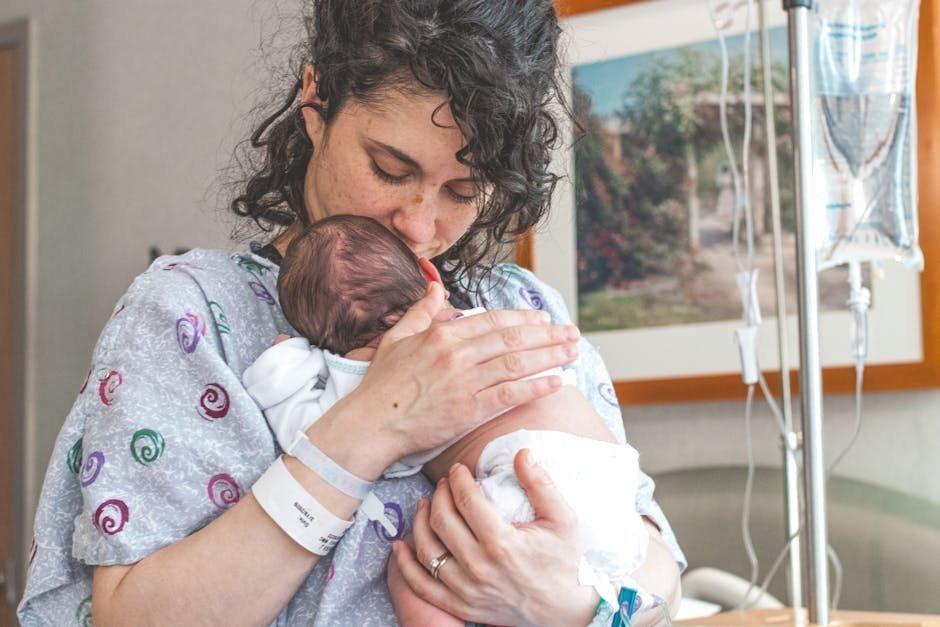
Child Welfare: Cooperation vs. Avoidance
The strategic question facing many pregnant women with substance use is whether to engage transparently with child welfare or to avoid it. The data favors transparency in most cases. Women who present early to prenatal care, are on MAT at delivery, have stable housing, and demonstrate engagement in treatment have substantially better outcomes for keeping custody than women who avoid the system. Plans of Safe Care, required by federal CAPTA reauthorisation in 2016, formalise the cooperation framework: a written plan documenting the mother’s treatment, the infant’s medical care, and the family’s support network often satisfies child welfare without removal.
Some states implement Plans of Safe Care well; others use them as preludes to removal. Knowing the local approach matters. Public defenders, parental defense attorneys, and recovery community organisations can advise on jurisdiction-specific dynamics. Hiring a family law attorney before delivery, when possible, dramatically improves outcomes if a child welfare investigation begins. Many state bar associations maintain pro bono panels for pregnant women in this situation.
State-Level Legal Landscape
State laws vary enormously. Tennessee’s fetal assault law, which authorised criminal prosecution of pregnant women for substance use, sunset in 2016 but similar legislation has been reintroduced. Alabama, Oklahoma, and South Carolina have prosecuted pregnant women under existing child endangerment or chemical endangerment statutes, with mixed appellate outcomes. Wisconsin and Minnesota have civil commitment authority that has been used for pregnant women with severe substance use.
On the protective side, several states have explicitly prohibited prosecution of pregnant women for substance use as part of broader public health framing. Connecticut, Vermont, and Massachusetts have moved most aggressively in this direction. The National Advocates for Pregnant Women maintains a state-by-state legal resource and provides direct legal support to women in crisis. The American Society of Addiction Medicine and ACOG have both issued formal opposition to criminalisation of pregnancy-related substance use, citing the public health harms of deterring care.
Frequently Asked Questions
Will my baby be taken away if I disclose substance use during pregnancy?
It depends on the state, the substance, the level of engagement in treatment, and the circumstances at delivery. In most states, a mother on stable MAT who has engaged in prenatal care, has stable housing, and presents a coherent care plan is unlikely to lose custody at the hospital. Plans of Safe Care, required under federal CAPTA, are designed to allow safe discharge with oversight rather than removal. A small number of states have aggressive removal practices that warrant pre-delivery legal consultation. The reflexive answer that “your baby will be taken away” is often inaccurate and contributes to the avoidance that produces worse outcomes.
Should I detox during pregnancy?
For opioid use disorder, no. ACOG Committee Opinion 711 explicitly recommends against medically supervised withdrawal during pregnancy because of fetal risks and high rates of return to use. Methadone or buprenorphine maintenance throughout pregnancy is the standard. For alcohol use disorder, supervised inpatient detox is appropriate when there is risk of dangerous withdrawal, with obstetric monitoring during the detoxification period. For benzodiazepines, slow taper under specialist supervision is preferable to abrupt cessation. For stimulants and other substances, the calculus is individualised; the goal is sustained abstinence with the safest path to that endpoint.
Does insurance cover pregnancy-related substance use treatment?
Yes, in nearly all cases. Medicaid covers pregnancy-related substance use treatment in all 50 states, with expanded postpartum coverage for 12 months in participating states under the American Rescue Plan. Commercial insurance is required to cover SUD treatment under MHPAEA. The Pregnancy Discrimination Act prohibits discrimination in covered health plans. Coverage gaps usually involve specific facility access (some facilities refuse to take Medicaid patients) rather than benefit limitations. Pregnant women without insurance can typically be enrolled in Medicaid through the FQHC system or hospital social work the same day they request care.
Can I work or attend school during pregnancy substance use treatment?
Outpatient MAT and counseling are designed to be compatible with work and school. Most patients on stable methadone or buprenorphine maintain full employment. Residential treatment requires a leave from work, and the FMLA may apply for qualifying employees. The ADA also provides reasonable accommodation rights for employees in treatment. Employers cannot legally discriminate based on participation in MAT under EEOC guidance issued in 2023. Pregnant women in treatment may also qualify for short-term disability benefits during the program duration.
What if my partner is using? Can he or she join treatment?
Couples treatment for substance use is offered at some specialised programs, including SHE Recovery in Florida, the Hazelden Family Program in multiple states, and many local outpatient programs. Behavioral Couples Therapy for substance use, an evidence-based protocol developed by Bill Fals-Stewart, is available through trained clinicians. The presence of an actively using partner is a major risk factor for return to use; addressing it as a couples or family system improves outcomes for both partners and significantly improves the prospect of a stable home for the new infant.
The Bottom Line
The American treatment system has not historically welcomed pregnant women, and the friction Tashawn experienced in Knoxville is still common. The medical standards, the federal protections, and the network of specialised programs have advanced enough that rehab for pregnant women is increasingly available to those who know where to look. Methadone and buprenorphine maintenance are the standard for opioid use disorder. Detox during pregnancy is not. Cooperation with thoughtful child welfare engagement protects custody better than avoidance in most jurisdictions. Postpartum follow-up matters as much as prenatal care. The path through pregnancy in recovery is harder than it should be, but it is real, and the babies on the other side of it have mothers in their lives.
If you are pregnant and in crisis, call or text 988, the Suicide and Crisis Lifeline. SAMHSA’s national helpline at 1-800-662-HELP is also free and available 24 hours. For information on substance exposure during pregnancy and lactation, see SAMHSA and MotherToBaby.
This article is for educational purposes only and does not constitute medical or legal advice. Decisions about pregnancy, substance use treatment, and child welfare matters should be made in consultation with licensed clinicians, attorneys, and certified peer support specialists who know your specific circumstances.