Annika Beaumont gave birth to her son Felix at Northwestern Memorial Hospital in Chicago on a Tuesday in late October. By the following Sunday morning, her husband Pieter was sitting on the floor of their bedroom while Annika, who had not slept in three nights, calmly explained that the baby had been replaced by a demon and she could hear God instructing her to drown it. Pieter had read about postpartum depression. He had never heard the words postpartum psychosis. He called his mother first, then their OB’s after-hours line, then 911. The paramedics took Annika to Northwestern’s emergency department; the baby went home with Pieter’s mother. Within four hours of arrival, Annika was on a psychiatric unit, started on lithium and olanzapine, and visited by a perinatal psychiatrist who had seen this exact presentation hundreds of times. She was discharged 16 days later, fully herself again, and is now planning a second pregnancy with a comprehensive prevention protocol. The 72 hours that nearly cost her family everything are the reason this article exists.
Effective postpartum psychosis treatment begins with recognizing that this is not a more severe form of postpartum depression. It is a separate, time-critical psychiatric emergency, and the treatment system in the United States is not built for it.

How Postpartum Psychosis Differs from PPD and PPA
Postpartum depression (PPD) affects roughly 1 in 7 American women after childbirth and presents with sadness, anhedonia, intrusive thoughts, sleep difficulty, and fatigue, usually evolving over weeks. Postpartum anxiety (PPA) presents with hypervigilance and panic. Both are common, both are treatable, and both look fundamentally like more familiar mood and anxiety disorders.
Postpartum psychosis (PP psychosis or PPP) affects approximately 1 to 2 women per 1,000 deliveries. It typically begins between days 3 and 14 after delivery, with rapid onset over hours to days rather than weeks. Hallmarks include severe insomnia, rapidly shifting mood, frank delusions (often religious or focused on the infant), command hallucinations, disorganized thinking, and confusion that can resemble delirium. Suicide and infanticide rates are dramatically elevated: about 4 percent and 4 percent respectively if untreated, compared to vanishingly small rates in PPD.
Because PPP shares some features with severe PPD, busy obstetric and ER teams sometimes misclassify it as “bad PPD” and discharge the mother home with an SSRI prescription. This is dangerous. Anyone exhibiting psychotic features after delivery requires same-day psychiatric evaluation in a setting equipped for involuntary admission if needed. Our overview of perinatal depression walks through how to distinguish the spectrum.
Why Hospitalization Is Mandatory, Not Optional
There is no outpatient version of postpartum psychosis treatment in the acute phase. The combination of insomnia, rapidly shifting mental status, and command-type hallucinations targeting the infant or self means safety cannot be reasonably maintained at home. Even with a vigilant partner and family, the patient often appears lucid for stretches and then dangerous within minutes, which makes outpatient management functionally impossible.
Voluntary admission is preferred when the mother retains enough insight to consent. When she does not, every state has involuntary commitment statutes (often called 5150-equivalent holds) that apply to perinatal psychosis. Family members or clinicians can initiate the process. This is one of the few situations where most psychiatric ethicists agree that involuntary treatment is not just permitted but ethically required, given the lethality risk to mother and infant. For more on this category of intervention, see our piece on bipolar disorder treatment, which covers the substantial overlap between PPP and bipolar I.
The Mother-Baby Unit Problem
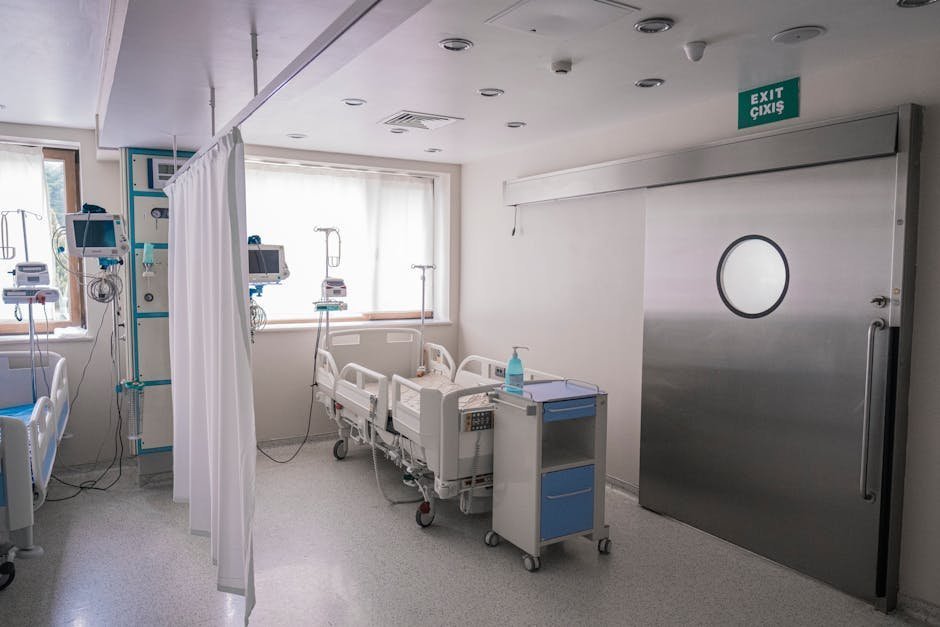
The United Kingdom has roughly 22 mother-baby units (MBUs) within its NHS, where mothers with serious perinatal mental illness can be admitted with their infants and treated as a unit by perinatal specialists. The United States has fewer than 5 inpatient MBUs nationwide, and only one (UNC Chapel Hill, opened 2011) is a stand-alone MBU at a major academic medical center. El Camino Health in Mountain View, California opened a similar program in 2018. A handful of others operate in partial hospitalization or day-program form.
For nearly all American mothers experiencing PPP, treatment means admission to a general adult psychiatric unit, separated from the infant. This is medically appropriate for the acute phase but emotionally devastating for everyone involved. Some hospitals (Massachusetts General Hospital, Penn Medicine, Northwestern’s Asher Center) have specialized perinatal psychiatry consult services that round on the regular psych unit and bring perinatal-specific expertise without the integrated MBU model.
Acute Pharmacologic Treatment
The standard acute regimen for PPP combines a mood stabilizer (lithium is gold standard, valproate is alternative) with an atypical antipsychotic (olanzapine, quetiapine, or risperidone) and a benzodiazepine for sleep restoration in the first 72 hours. Sleep is treated as primary. Without restoring 6 to 8 hours of consolidated nighttime sleep within the first 3 days, no other medication will produce stable improvement.
Electroconvulsive therapy (ECT) is dramatically effective for PPP, often producing remission within 4 to 6 sessions and with a stronger evidence base than in many other psychiatric indications. ECT is appropriate when medication response is slow, when the mother is severely catatonic or not eating, or when she is breastfeeding and wishes to minimize medication exposure. Most academic centers can arrange acute ECT within 48 hours of admission.
Medications and Breastfeeding
The breastfeeding decision in PPP is genuinely complicated. Most antipsychotics enter breast milk in modest amounts, with quetiapine and olanzapine considered relatively low-transfer. Lithium is more controversial because it does cross into milk and can cause infant toxicity if maternal levels are not closely monitored. Thomas Hale’s LactMed database remains the standard reference for clinicians making these decisions.
The key principle is that uninterrupted maternal sleep matters more than breastfeeding continuity in the acute phase. Many specialists recommend formula feeding or pumped milk via a partner during the first 2 to 4 weeks, both to allow consolidated maternal sleep and to limit infant medication exposure during the highest-dose period. Breastfeeding can often be reintroduced after stabilization with appropriate medication choices.
The Family’s Role
Partners and extended family of a mother with PPP usually face three simultaneous challenges: caring for a newborn full-time, navigating a frightening psychiatric admission, and processing trauma of their own. What helps:
- One designated family contact for hospital staff (not multiple voices), with HIPAA release signed early
- A defined visiting schedule that brings the baby for short, supervised visits when the mother is medically appropriate, usually starting around day 7 to 10
- Postpartum doulas or night nurses for the partner at home, even short-term, to prevent secondary breakdown
- Connection to Postpartum Support International (PSI helpline 1-800-944-4773), which offers a free family support coordinator specifically for PPP cases
- Honesty with extended family rather than secrecy, which usually backfires by isolating everyone
The family’s stamina matters because acute treatment runs 14 to 21 days inpatient on average, followed by 4 to 8 weeks of intensive outpatient stabilization. The whole episode rarely resolves in less than 2 months.
Recovery Timeline and Expectations
Most mothers with adequately treated PPP achieve full functional recovery within 6 to 12 months. The acute psychotic phase typically resolves within 2 to 4 weeks. Mood symptoms often persist for several additional months, with PPD-like presentation. Cognitive recovery (memory, processing speed) lags behind mood recovery and may take a full year.
Maintenance treatment after the acute phase typically continues for at least 12 months, often longer. Mood stabilizer continuation is recommended even after symptom resolution because relapse during the postpartum window is high. Many specialists recommend lifelong mood stabilizer continuation if the woman has met criteria for bipolar I after the episode, because PPP is now understood to be predominantly a bipolar spectrum illness in disguise. Useful background on related diagnostic distinctions appears in our coverage of acute stress disorder vs PTSD and other diagnostic frontiers.
Recurrence Risk and Planning the Next Pregnancy
One of the most stable findings in psychiatry is that PPP recurs in 30 to 50 percent of subsequent pregnancies without prophylactic treatment. With prophylactic treatment, recurrence drops to roughly 10 to 20 percent. This makes advance planning for any future pregnancy a critical conversation, ideally beginning before conception.
A typical prevention protocol includes:
- Pre-conception consultation with a perinatal psychiatrist (Massachusetts General has an excellent virtual one)
- Restart or continuation of lithium during the third trimester or immediately at delivery
- A written delivery-day plan distributed to OB, partner, mother’s psychiatrist, and the labor and delivery unit
- Sleep protection plan from delivery onward (overnight infant care arranged for the first 14 nights)
- Twice-weekly perinatal psychiatry visits during the first 6 weeks postpartum
- Pre-arranged inpatient psychiatric bed identification (knowing in advance where the mother would be admitted if symptoms emerged)
Resources from the National Institute of Mental Health (NIMH perinatal depression) cover the broader perinatal mental health landscape, though PPP-specific guidance is most current at PSI.
Frequently Asked Questions
How quickly does postpartum psychosis develop? The classic onset is days 3 to 14 after delivery, with a peak around day 7. Onset can be alarmingly rapid, with the woman appearing fine in the morning and severely psychotic by evening. About 5 percent of cases present beyond 4 weeks postpartum.
Is postpartum psychosis a form of bipolar disorder? The strongest current evidence is that the vast majority of PPP cases reflect a bipolar spectrum illness uncovered by the postpartum hormonal shift. Many women with isolated PPP later meet full bipolar I criteria, though some never have another episode.
Can I have another baby after postpartum psychosis? Yes, with appropriate planning. Recurrence risk is real but manageable with prophylactic treatment. Many women with PPP go on to have additional children with successful prevention.
Will my insurance cover an inpatient mother-baby unit? Coverage for the few US MBUs operates similarly to standard inpatient psychiatry. Day rates run higher than general units (often $2,000 to $3,500 per day), but insurance generally pays at the same authorized inpatient rate. Out-of-pocket cost depends on your specific plan.
What about my baby? Will the bond be damaged by separation during admission? Bonding research consistently shows that infants are remarkably resilient to short-term primary caregiver separation when they receive consistent care from another loving adult. The mother’s full recovery is the strongest single predictor of long-term attachment quality. Short separation now to enable real recovery is in the baby’s interest.
The Bottom Line
Postpartum psychosis treatment is one of the few psychiatric situations where the right answer is unambiguous: emergency hospitalization, immediate mood stabilizer plus antipsychotic plus sleep restoration, and ECT readily available if first-line treatment is slow. The US lack of mother-baby units adds emotional pain to an already devastating illness, but the clinical outcomes with appropriate treatment are excellent. Most mothers achieve full recovery, plan future pregnancies safely, and look back on the episode as a discrete crisis rather than a lifelong condition. The work is recognizing it quickly. Pieter Beaumont saw something was wrong on a Sunday morning and made three phone calls. Annika is alive, Felix is alive, and that family is whole because of three correctly placed phone calls. If you are a partner, sister, mother, or friend of someone newly postpartum and something seems wrong, trust the instinct.
Call or text 988 for the Suicide and Crisis Lifeline at any time. The PSI helpline at 1-800-944-4773 is the dedicated perinatal mental health support line and is staffed by people who have walked this path themselves.
This article is for informational purposes only and does not constitute medical advice. Postpartum psychosis is a psychiatric emergency requiring immediate evaluation by qualified clinicians. If you suspect a new mother is experiencing postpartum psychosis, do not delay seeking emergency care. Always consult a licensed perinatal psychiatrist or other appropriate provider for individualized guidance.