Three weeks into recovery, Reggie was sitting in his sister’s kitchen in Cincinnati when the pharmacy called. His monthly Vivitrol injection was approved, but the local CVS could not stock it. The pharmacist explained that Vivitrol is a specialty medication that ships from a designated specialty pharmacy, refrigerated, with a 48-hour delivery window, and his clinic would need to coordinate the appointment around the cold chain. Reggie did not understand half of those words. He understood that he had 9 days of sobriety and a strong fear that without the next shot he would relapse before the month was out. The clinic nurse walked him through it. The injection arrived on a Tuesday in a styrofoam cooler. The clinic gave him the shot Wednesday morning. His copay, after a manufacturer assistance card, was zero. By the time the next month came around, the routine was ordinary. The thing that had felt like another barrier had quietly become the structure that kept him sober.
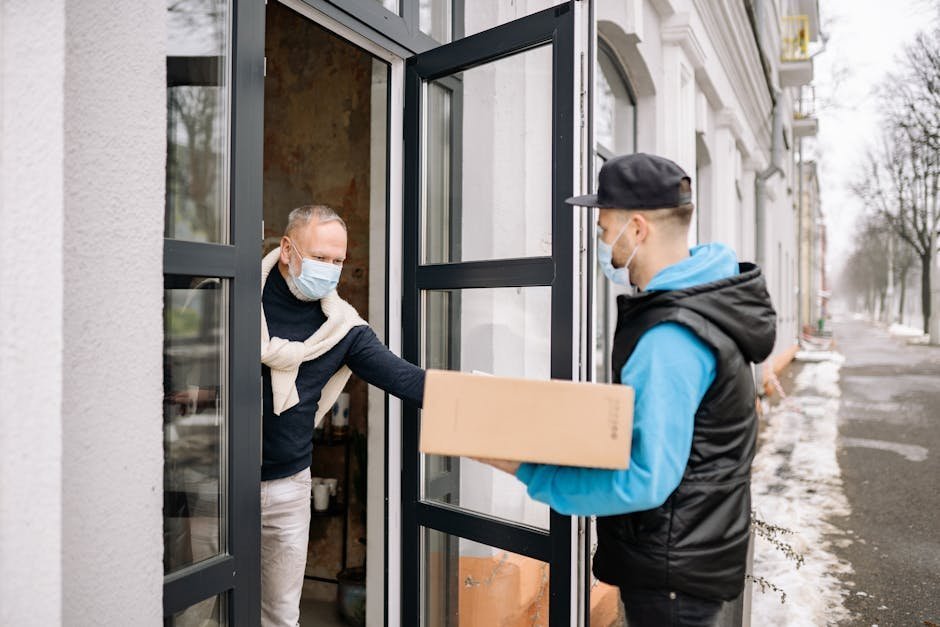
The pharmacy that shipped Reggie’s Vivitrol is part of a growing infrastructure called addiction specialty pharmacy, a category of pharmacy distinct from the corner drugstore. An addiction specialty pharmacy handles the specialty medications used in medication-assisted treatment, including monthly injectable naltrexone, monthly injectable buprenorphine, compounded oral formulations, and the patient-support programs that go with them. For people in recovery and the families helping them, understanding how this part of the system works can mean the difference between a smooth refill and a missed dose at the worst possible time. This guide covers what these pharmacies handle, the manufacturer copay programs, and how to coordinate with your prescriber.
What an addiction specialty pharmacy actually is
A specialty pharmacy is a pharmacy designated by a manufacturer or insurer to dispense medications that need extra handling, monitoring, or coordination beyond what a retail pharmacy can offer. In the addiction medicine world, the medications that fall into the specialty channel include Vivitrol (extended-release injectable naltrexone), Sublocade (extended-release injectable buprenorphine), Brixadi (another extended-release injectable buprenorphine product), and a few compounded oral formulations.
Methadone for opioid use disorder is not handled by specialty pharmacies. Methadone for addiction treatment can only be dispensed by a federally certified opioid treatment program (OTP), the daily clinics historically called methadone clinics. The distinction between methadone and the specialty-pharmacy MAT options is one of the most common sources of confusion for new patients, and we cover the choice in our methadone vs Suboxone guide.
Vivitrol and the Alkermes copay program
Vivitrol is the brand name for extended-release injectable naltrexone, a monthly intramuscular injection that blocks opioid and alcohol receptors. Each injection costs around $1,500 at the pharmacy benefit, but Alkermes, the manufacturer, runs a co-pay assistance program that brings the patient cost to as little as $0 for commercially insured patients with eligible plans. The program also has a patient assistance arm for uninsured patients who meet income criteria.
To enroll, you or your prescriber’s office submits a Vivitrol Co-Pay Savings Program application, usually electronic, that produces a copay card within 24 to 48 hours. The card is presented to the specialty pharmacy at the time of fill. It does not work for Medicaid, Medicare, or other government plans, which have their own pricing and patient-assistance pathways. For Medicaid patients, the medication is usually covered with a low or zero copay through the state’s preferred drug list.
Sublocade and the Indivior INSUPPORT program
Sublocade is extended-release injectable buprenorphine, also given monthly, primarily for opioid use disorder. Indivior, the manufacturer, runs a patient support program called INSUPPORT that handles benefits investigation, prior authorization tracking, copay assistance, and coordination with specialty pharmacies. Most Sublocade patients learn about INSUPPORT through their prescriber, and the program will often be the entity that arranges the first shipment.
Sublocade is a buy-and-bill medication in many practices, meaning the clinic purchases the dose and bills it to insurance under a medical benefit code rather than the pharmacy benefit. That changes the cost-sharing math, because medical-benefit injectables are billed against the deductible and coinsurance rather than the prescription drug copay. Patients with high-deductible health plans sometimes see a several-hundred-dollar bill in January that goes to zero by April.
Compounded oral naltrexone for off-label uses
Some specialty pharmacies, particularly compounding pharmacies, prepare custom dosages of oral naltrexone for off-label indications. Low-dose naltrexone is used by some prescribers for autoimmune conditions and chronic pain, and naltrexone in standard 50 mg tablets is increasingly prescribed off-label for behavioral addictions, including gambling disorder and compulsive sexual behavior. The FDA, whose drug approvals you can review at fda.gov, has approved oral naltrexone for alcohol use disorder and opioid use disorder. Other indications are off-label, meaning the prescriber bears responsibility for the clinical judgment.
Compounded versions are not interchangeable with FDA-approved manufactured tablets. They are made dose by dose by a licensed compounding pharmacy under USP standards. They cost more out of pocket, and they often are not covered by insurance. If your prescriber recommends a compounded formulation, it is worth asking why a manufactured product would not work first.
Pharmacy counseling at the major chains
Walgreens and CVS both run national programs to train pharmacists on substance use treatment and to integrate behavioral health resources into the pharmacy counter. Walgreens entered a partnership with the 988 Suicide and Crisis Lifeline in 2022 that puts 988 information at point-of-sale and trains pharmacists to refer customers in distress. CVS has trained tens of thousands of pharmacists in Vivitrol storage, handling, and patient counseling, and runs a CVS Specialty arm that fills the high-touch addiction medications.
For patients who pick up their MAT at a regular retail pharmacy, the pharmacist counseling step is more useful than many people realize. A trained pharmacist can review the medication’s interactions with other prescriptions, review the cold-storage requirements, schedule the next refill, and flag concerns to the prescribing clinic. If you encounter a pharmacist who refuses to fill a buprenorphine prescription out of stigma, you have the right to ask for the on-call pharmacist or to escalate to the chain’s clinical line. SAMHSA, accessible at samhsa.gov, publishes guidance on pharmacist roles in MAT.
Insurance prior authorization coordination
Specialty pharmacies do most of the prior authorization paperwork on behalf of the patient and the prescriber. The pharmacy’s intake nurse or benefits coordinator runs a benefits investigation when the script is first sent, identifies the patient’s specific plan, submits the prior auth, tracks responses, and contacts the patient when the medication is ready to ship. The process usually takes 2 to 7 business days for a first fill, faster for refills.
- Benefits investigation: pharmacy verifies coverage and cost-sharing.
- Prior authorization: pharmacy submits clinical justification to insurer.
- Copay assistance enrollment: manufacturer or foundation funds enrolled if eligible.
- Cold-chain shipment scheduling: refrigerated shipment timed to the injection appointment.
- Refill reminders: pharmacy contacts patient 7 days before the next dose is due.
If a prior auth is denied, both the prescriber and the pharmacy can file an appeal. Most denials of MAT prior authorizations on commercial plans are reversed on appeal because federal parity rules require coverage of medications for substance use disorder at terms equivalent to medications for medical conditions.
Cold chain logistics and home delivery
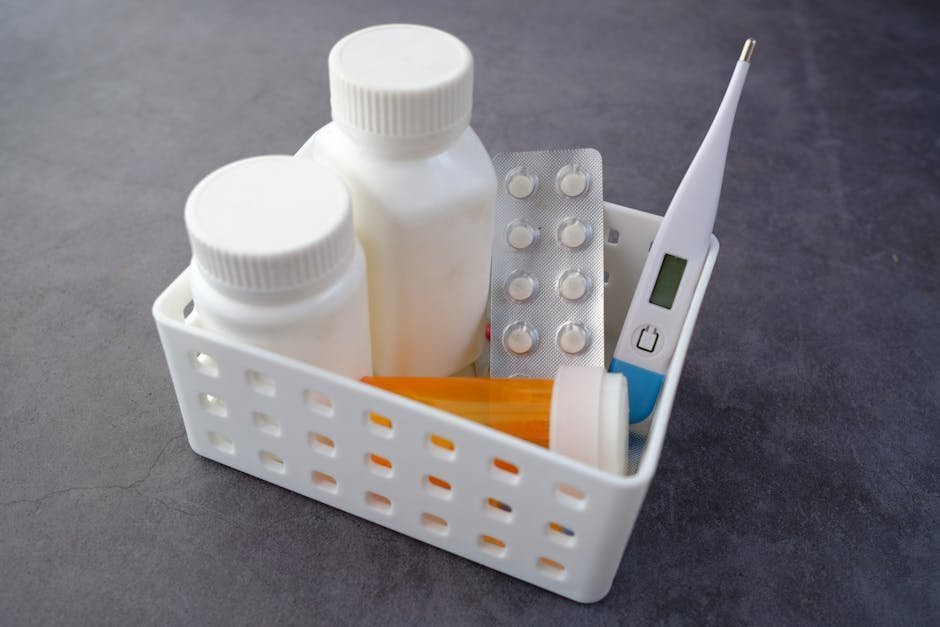
Vivitrol must be stored at 36 to 46 degrees Fahrenheit and is shipped in temperature-controlled packaging with cold packs and an insulating liner. Sublocade and Brixadi have similar refrigeration requirements. The pharmacy ships overnight, usually for a Tuesday, Wednesday, or Thursday delivery, to avoid weekend handling. The package includes a temperature monitoring strip; if the indicator shows a breach, the patient or clinic should not use the dose and the pharmacy will replace it.
Most patients receive shipments at the clinic where the injection will be given, rather than at home. That avoids the awkwardness of taking a $1,500 medication out of a household refrigerator on the morning of the appointment. If the pharmacy ships to your home, refrigerate the package immediately upon arrival, store it in the original packaging, and bring it to the clinic in a small cooler with cold packs on the day of the injection.
Out-of-pocket cost without insurance
Without insurance, monthly injectable MAT is genuinely expensive. Vivitrol cash price hovers around $1,500 per dose. Sublocade is similar. Manufacturer patient assistance programs cover a substantial fraction of uninsured patients who meet income criteria, often at $0 to $50 per dose. Foundation grants from groups like the HealthWell Foundation and the Patient Access Network sometimes cover Medicare patients who have donut-hole exposure. The numbers are large but the assistance landscape is real, and most patients who genuinely cannot afford the medication can be enrolled in some form of help. Our guide to the true cost of drug and alcohol rehab covers other parts of the cost picture, and our specialty pharmacy mental health overview covers parallel structures for psychiatric medications.
Frequently asked questions
Can I use a regular CVS or Walgreens for my Vivitrol?
Sometimes. Some retail locations stock and dispense Vivitrol; others refer the script to a CVS Specialty or Walgreens Specialty branch. Your prescriber will know which option fits your area.
What if my Vivitrol shipment arrives warm?
Do not use it. Call the specialty pharmacy. They will ship a replacement dose, often same-day, and they handle the loss with the manufacturer.
Does the Alkermes copay program cover Medicaid patients?
No. Federal anti-kickback law prevents manufacturer copay cards from being used by patients with government-funded insurance. Medicaid patients have other low-cost pathways through the state preferred drug list.
Can I switch from Suboxone to Sublocade through a specialty pharmacy?
The medical decision is between you and your prescriber, but yes, the specialty pharmacy can dispense the new medication and run the prior auth without you starting over from scratch. The transition is often clinically straightforward.
What happens if I miss a monthly Vivitrol injection?
The medication’s protective effect wears off after about a month. If you miss a dose, contact your prescriber to schedule the next injection as soon as possible, and use other supports like therapy or peer recovery to bridge the gap.
The bottom line
An addiction specialty pharmacy is the quiet infrastructure behind a successful course of medication-assisted treatment for opioid or alcohol use disorder. Once the system is set up, the monthly injection becomes a stable rhythm. The first few weeks of paperwork, prior auths, copay enrollment, and cold-chain coordination feel overwhelming, but the work is mostly done by the pharmacy and the clinic. For patients in early recovery, knowing what to expect from the specialty channel reduces the chance that a missed call or a shipping delay derails a month of progress.
988 and crisis resources
If you or someone you love is in suicidal crisis, call or text 988 to reach the Suicide and Crisis Lifeline, available 24/7 across the United States. For substance use treatment referrals, call the SAMHSA National Helpline at 1-800-662-HELP or use the SAMHSA treatment locator online.
This article is for informational purposes only and is not a substitute for professional medical advice, diagnosis, or treatment. Always seek the advice of a qualified prescriber and pharmacist with any questions you may have regarding medication-assisted treatment. If you are experiencing a medical or psychiatric emergency, call 988 or go to your nearest emergency department.