Marcus’s mother stood in the parking lot of a treatment center outside Knoxville, Tennessee, on a Tuesday morning in February, holding a copy of her son’s Anthem Blue Cross Blue Shield card and a printout of the rehab’s intake forms. Her son had agreed to go — finally, after eleven years of fentanyl and an overdose in December that the paramedics barely walked back. The admissions counselor had told her on Friday they were in-network. By Tuesday morning, the verification of benefits had come back saying medical detox was approved for three days, residential was pending, and the deductible was $4,500 with a $9,200 out-of-pocket maximum. She did the math twice on the back of an envelope. Then she walked her son inside, signed the financial agreement, and called her sister to ask if she could borrow against her 401(k) by the end of the week.
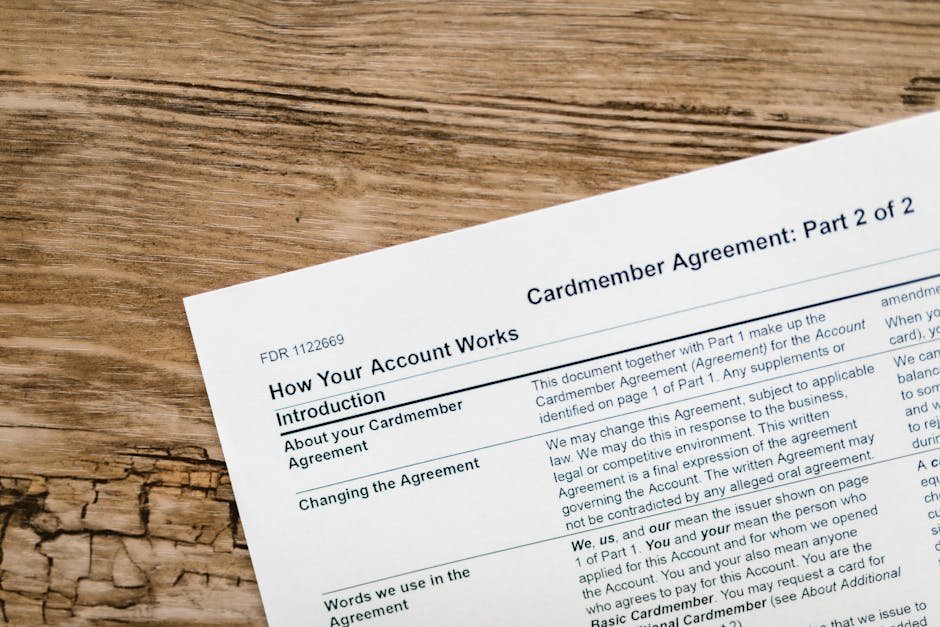
Blue Cross Blue Shield is not one company. It is a federation of 33 independent health plans operating under the Blue Cross Blue Shield Association brand, plus the Federal Employee Program (FEP) covering 5.5 million federal employees and retirees. That structure matters enormously when you are trying to find BCBS drug rehab coverage, because what your card actually pays for depends on which Blue plan issued it, what state you live in, what employer or marketplace plan you have, and whether the rehab center has a contract with that specific Blue. This guide walks through how the coverage actually works in 2026, how to verify in-network status, what BCBS typically covers across levels of care, and how to appeal denials.
How BCBS substance use disorder coverage actually works
Every BCBS plan must cover substance use disorder treatment as an essential health benefit under the Affordable Care Act, and at parity with medical/surgical benefits under the federal Mental Health Parity and Addiction Equity Act. That is the floor. The ceiling — what is actually approved, for how long, in what setting — is plan-specific and aggressively case-managed.
The major BCBS entities you are likely to encounter include Anthem (operating in 14 states under various Blue Cross or Blue Shield names, including California, New York, Connecticut, Indiana, Ohio, and Virginia), Highmark (Pennsylvania, Delaware, West Virginia), Blue Cross Blue Shield of Michigan, Florida Blue, Blue Cross Blue Shield of Texas / Illinois / Oklahoma / Montana / New Mexico (HCSC), Horizon BCBS of New Jersey, Excellus BCBS in upstate New York, Premera in Washington and Alaska, Regence in Oregon and Idaho, and the Federal Employee Program. Each runs its own behavioral health utilization management — sometimes in-house, sometimes through subsidiaries or contractors.
Out-of-pocket math depends entirely on plan design. A typical employer PPO in 2026 has a deductible between $1,500 and $5,000, a coinsurance rate of 20 to 30 percent after the deductible, and an out-of-pocket maximum between $7,500 and $9,450 for individual coverage. A 30-day in-network residential rehab admission, before insurance, typically bills $25,000 to $55,000. After in-network discounts and the patient hitting the out-of-pocket max, the patient owes the maximum and BCBS covers the rest. Out-of-network is usually catastrophic — many BCBS plans pay nothing or a small fraction of “reasonable and customary,” leaving the patient responsible for the balance.
The role of ASAM Criteria in authorization
BCBS plans authorize substance use treatment using the American Society of Addiction Medicine (ASAM) Criteria, the same six-dimension assessment used by most commercial insurers. The dimensions cover acute intoxication and withdrawal risk, biomedical conditions, emotional and cognitive conditions, readiness to change, relapse potential, and recovery environment. The level of care that gets approved — and for how long — is supposed to follow what those dimensions show.
In practice, the ASAM Criteria provide a framework that BCBS utilization reviewers apply with varying degrees of strictness. Residential treatment (ASAM Level 3.5 and 3.7) is the most heavily scrutinized. Initial authorizations of 5 to 7 days are common, with concurrent reviews every few days requiring the rehab to demonstrate ongoing medical necessity. Detox at the medically managed level (ASAM 4.0 and 3.7-WM) is usually authorized 3 to 7 days. Partial hospitalization (PHP, Level 2.5) and intensive outpatient (IOP, Level 2.1) are typically authorized in 2- to 4-week blocks. The full ASAM framework is published at asam.org.
The piece patients and families rarely understand is that approval is rolling, not upfront. A facility might get five days approved, then need to fight for the next week, then the next. A denial mid-stay forces an immediate appeal or a transfer to a lower level of care. Our deeper guide on substance use levels of care explains how each ASAM level differs clinically and what each typically costs.
How to verify a rehab is in-network with your specific BCBS plan
“BCBS in-network” is not a single status. A facility that contracts with Anthem Blue Cross of California may be out-of-network with Florida Blue. Independence Blue Cross of Pennsylvania has a different contracted network than Highmark BCBS of Pennsylvania, despite both operating in the same state. There are five steps to verifying a specific rehab for your specific plan.
- Find your plan’s Find a Doctor or Find Care tool. The starting point for cross-Blue lookups is bcbs.com; for Anthem plans, anthem.com; for Highmark, highmark.com; and so on for each regional Blue.
- Search by facility name AND by specialty (substance use disorder treatment / behavioral health) AND by ZIP code. Some rehabs operate under a parent company name that does not match the marketing brand.
- Call BCBS member services at the number on the back of your card and ask, by name, whether the specific facility’s tax identification number is contracted as in-network for your plan tier.
- Have the rehab’s admissions team conduct a verification of benefits (VOB) directly. They will pull deductibles, copays, coinsurance, out-of-pocket maximums, and any pre-authorization requirements in writing.
- If the rehab gives you a different answer than BCBS, get both in writing before admission. Discrepancies are common, and getting clarity before admission protects you from surprise bills.
What BCBS typically covers, level by level
Across most BCBS plans in 2026, the standard coverage pattern looks like this:
- Medical detox — Covered when medically necessary. Authorized 3 to 7 days typically. Required for alcohol, benzodiazepine, and severe opioid withdrawal. Anthem and Highmark plans authorize this readily when the ASAM 1-dimension score warrants it.
- Residential treatment (28 to 30 days) — Covered subject to ASAM medical necessity. Initial authorizations of 7 to 10 days, extended on concurrent review. The aggressive case management is real; facilities that document carefully and appeal quickly retain authorization more often.
- Partial hospitalization (PHP) — Covered, typically 4 to 6 weeks at 5-6 hours per day. Lower utilization scrutiny than residential.
- Intensive outpatient (IOP) — Widely covered, 8 to 12 weeks at 9 to 15 hours per week. The workhorse of insurance-funded SUD care.
- Standard outpatient therapy and group — Covered like other behavioral health.
- Medication-assisted treatment (MAT) — Buprenorphine (Suboxone, Subutex), naltrexone (Vivitrol injections), and methadone clinics are covered, sometimes with formulary tier restrictions on brand-name versions.
- Sober living and recovery housing — Generally NOT covered. Some Blues will cover sober living when bundled into a contracted PHP or IOP program; standalone sober living is patient-pay.
The specific dollar exposure depends on your deductible status going into treatment, your plan’s coinsurance, and your out-of-pocket maximum. A patient who has hit the deductible already in the calendar year will owe far less than someone admitting in February with a fresh deductible. For a fuller breakdown of cash and insurance math across rehab pricing, our piece on the true cost of drug and alcohol rehab walks through the numbers.
Pre-authorization, concurrent review, and the paperwork war
Almost every BCBS plan requires pre-authorization for residential and inpatient SUD care. Some require notification within 24 hours of an emergency admission. The pre-auth process involves the rehab’s utilization review staff submitting clinical documentation — diagnostic, withdrawal protocol, ASAM scoring, treatment plan — to BCBS, who assigns a case manager. The case manager either approves a specific number of days or denies, often citing alternative levels of care.
Concurrent review happens every 3 to 7 days during a stay. The rehab’s clinician must be available for “doc-to-doc” peer reviews when a denial is being considered. A patient stable in detox after three days, no longer in active withdrawal, with no acute psychiatric concerns, will typically not get residential authorized — BCBS will push for step-down to PHP. This is sometimes appropriate clinically. It is sometimes an under-treatment. The line between the two is exactly where appeals are won and lost.

Appealing a denied authorization
You have the legal right to appeal. The federal No Surprises Act and ACA appeal protections give you internal appeals (one or two levels, depending on plan) followed by an external independent review. State insurance commissioners enforce parity, and several states — California, New York, Illinois, New Jersey, Massachusetts — have aggressive parity enforcement.
- Internal appeal: Submit within 180 days of denial, with the treating clinician’s letter of medical necessity, ASAM documentation, and any relevant prior treatment history showing why a lower level of care has failed.
- Expedited appeal: For active treatment, request within 24 to 72 hours. BCBS must respond within 72 hours for urgent cases.
- External review: Independent reviewers not affiliated with BCBS evaluate denied claims when internal appeals are exhausted. External reviewers overturn a meaningful share of SUD treatment denials.
- Parity complaint: File with your state insurance commissioner, the U.S. Department of Labor (for ERISA plans), or HHS. The 2024 parity rules require insurers to show their non-quantitative treatment limitations are no more restrictive for behavioral health than for medical/surgical care. Our explainer on mental health parity violations walks through how these complaints get filed and what evidence helps.
If you are struggling to navigate any of this, SAMHSA‘s national helpline at 1-800-662-HELP (4357) is free, 24/7, and confidential, and counselors can help you understand options including BCBS-funded paths. SAMHSA also maintains a treatment locator that filters by accepted insurance.
The Federal Employee Program: a different beast
The BCBS Federal Employee Program — covering active federal employees, retirees, and their families — runs distinct utilization management and tends to be more generous than commercial Blue plans for SUD treatment. FEP Standard Option in 2026 covers in-network residential treatment with the patient typically owing copays per admission rather than coinsurance percentages, and out-of-pocket maximums reach faster than on most commercial plans. FEP Blue Focus is more restrictive but cheaper.
Federal employees in safety-sensitive positions — DOD, DOJ, federal law enforcement — face additional layers around fitness for duty and security clearance review when treatment is documented. The clinical care path is straightforward; the employment-side implications require a different conversation, ideally with both the treatment team and an attorney familiar with federal employment law.
Frequently asked questions
Will BCBS pay for luxury or executive rehab?
BCBS pays the same negotiated rate for in-network treatment regardless of the facility’s marketing tier. Luxury rehabs that bill $80,000 a month either contract at substantially lower rates with BCBS or operate as out-of-network and balance-bill the patient for the difference. Many luxury rehabs are out-of-network by design.
Does BCBS cover Suboxone and Vivitrol?
Yes, almost universally. Generic buprenorphine-naloxone is on most formularies at low copay tiers. Vivitrol (extended-release naltrexone) is typically covered with prior authorization. Sublocade injections are covered by most BCBS plans with PA. Methadone treatment at licensed Opioid Treatment Programs is covered.
How long can I stay in residential treatment on BCBS?
There is no fixed cap. The length of stay is whatever ASAM medical necessity supports. In practice, 14 to 30 days is the common authorized range for residential, with extensions possible on concurrent review when documented. Some plans have historically capped at 28 days, but parity enforcement has eroded those caps.
What if I cannot afford the deductible?
Many rehabs offer payment plans, hardship reductions, or scholarships. Some accept Care Credit or healthcare-specific financing. Federally Qualified Health Centers and SAMHSA-funded programs offer sliding-scale care that does not depend on commercial insurance. State substance use treatment block grants fund free or near-free care in every state.
Can BCBS find out about my treatment from my employer?
No. HIPAA protects clinical records. Employers see aggregate utilization data, not individual diagnoses. The exception is when an employer pays through a self-funded plan — even then, individual claims are not visible to managers, only to the plan administrator under privacy rules.
The bottom line
Finding BCBS drug rehab coverage in 2026 means knowing which Blue plan you have, verifying the specific facility’s contracted status with that exact plan, understanding ASAM-driven authorization patterns, and being ready to appeal aggressively when reviews push toward premature step-down. The coverage exists. It is also actively managed. Families that document well, escalate fast, and use parity protections get more days authorized than families who accept the first denial. Start with the SAMHSA helpline if you are confused, get verification of benefits in writing before admission, and treat the appeals process as part of treatment, not separate from it.
If you or someone you love is in a substance use crisis or having thoughts of self-harm, call or text 988 to reach the Suicide and Crisis Lifeline. For substance use treatment referrals 24/7, call SAMHSA at 1-800-662-HELP (4357).
This article is for general informational purposes and does not constitute medical, legal, or insurance advice. Coverage rules, plan structures, and authorization criteria vary by plan and change over time. Verify all specifics directly with your BCBS plan and the treatment facility before making decisions.