Eleanor was seventy-eight years old, a retired piano teacher from Milwaukee with mild Alzheimer’s disease, when her behavior changed in a way her daughter Patricia could not explain. Over six weeks, Eleanor stopped sleeping, accused her late husband of hiding in the basement, and one Tuesday morning attempted to hit a memory care aide with her cane. The memory care community Patricia had toured so carefully a year earlier informed the family that Eleanor could no longer be safely managed there. The local emergency department admitted her to a general medical floor for a urinalysis and head CT, both negative. A consulting psychiatrist suggested transfer to a specialized geriatric inpatient psychiatric unit at a Milwaukee teaching hospital. Patricia had never heard of such a place. Three weeks later Eleanor returned to a different memory care community, on a revised medication regimen, sleeping at night, and recognizing her grandchildren by name. The intervening admission was not a punishment or a failure. It was the difference between a misunderstood crisis and a treatable medical event in a setting designed for older adults.
When Memory Care or Assisted Living Cannot Manage the Behavior
Memory care communities, assisted living facilities, and skilled nursing facilities are licensed for long-term residential care, not acute psychiatric stabilization. When an older adult develops severe behavioral symptoms of dementia, often shortened to BPSD for behavioral and psychological symptoms of dementia, the staffing model and physical environment of those settings reach their limits quickly. Aggression toward staff or other residents, sustained agitation that prevents sleep, severe paranoia, refusal of care for medical conditions, or suicidal statements all push beyond what most communities can safely manage.
A geriatric inpatient psychiatric unit is a specialized hospital setting where these crises can be addressed by clinicians trained specifically in late-life mental illness. The unit is staffed for higher acuity than memory care, has prescribers available daily for rapid medication adjustment, and is physically designed for older adults rather than younger psychiatric patients.
General Psychiatric Unit, Medical Floor, or Specialized Geriatric Unit
Three distinct settings compete for older psychiatric patients in most American cities, and the choice has real consequences. A general adult psychiatric unit may admit older adults but will mix them with patients in their twenties, thirties, and forties who have very different conditions and behavioral patterns. The pace can be loud and disorienting. Fall risk is higher because the unit is not built for mobility-impaired residents.
A medical floor with a psychiatric consult-liaison service may be appropriate when the underlying issue is delirium from a urinary tract infection, electrolyte imbalance, or medication interaction. The medical team treats the medical cause; psychiatry consults on management. This works when the issue is truly medical. It does not work for primary psychiatric conditions in older adults that need sustained psychiatric care.
A specialized geriatric psychiatric unit is the right setting when the diagnosis is primarily psychiatric and the patient needs the focused expertise that only a small number of programs deliver. Notable units in 2026 include McLean Hospital’s Geriatric Neuropsychiatry program in Belmont, Massachusetts; UCSF’s geriatric psychiatry inpatient service in San Francisco; the Institute of Living at Hartford Hospital in Connecticut; Sheppard Pratt’s geriatric unit in the Baltimore region; the Cleveland Clinic’s geriatric behavioral health program; Mass General’s geriatric inpatient service; and Mayo Clinic in Rochester, Minnesota. Many academic medical centers have similar units even if they do not advertise nationally. Our companion article on inpatient psychiatric admission describes the general admission process that applies across age groups.
Indications for Admission to a Geriatric Psych Unit
The most common reasons older adults are admitted to specialized geriatric psychiatric inpatient units include severe BPSD requiring antipsychotic adjustment under cardiac monitoring, late-life psychotic depression that has not responded to outpatient care, suicidality with a specific plan, catatonia, severe agitation in delirium that cannot be managed on a medical floor, and acute decompensation of bipolar disorder or schizophrenia in an older adult.
- Severe behavioral symptoms of dementia, including aggression, sustained agitation, and severe paranoia
- Late-life major depression with psychotic features
- Suicidal ideation with intent or plan in older adults
- Catatonia, often missed and treated effectively with benzodiazepines or ECT
- ECT (electroconvulsive therapy) initiation for treatment-resistant depression
- Medication review and deprescribing in patients on twelve or more medications
- Failed transitions home after hospitalization for medical illness
What Age-Friendly Inpatient Care Actually Looks Like
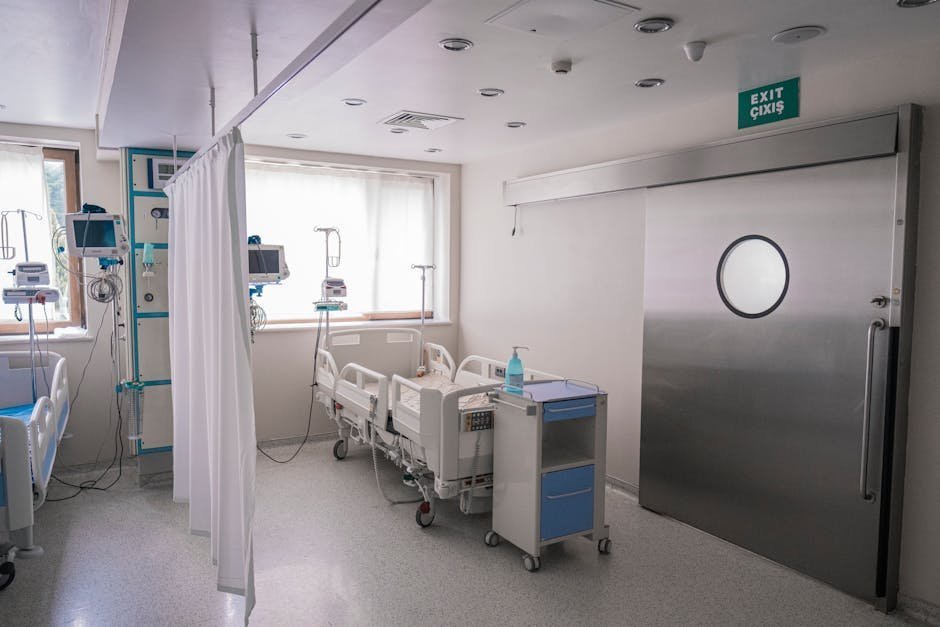
The physical and clinical features of a true geriatric psychiatric unit differ from a general adult unit in ways visible within minutes of stepping onto the ward. Hallways are wide enough for walkers and wheelchairs. Bathroom doors swing outward in case a patient falls behind them. Bed heights are low to reduce injury from falls. Staff are trained in the physical care of older adults: transfers, skin integrity, continence care, and pressure injury prevention. Mealtimes accommodate dentures, swallowing impairments, and slower pace.

Clinically, the team thinks about polypharmacy, the cumulative anticholinergic burden, orthostatic hypotension, falls risk, pressure injury, and dehydration as routinely as it thinks about psychiatric symptoms. A geriatric psychiatric admission often results in a much shorter medication list at discharge than at admission, because deprescribing inappropriate medications is part of the work. The Beers Criteria from the American Geriatrics Society, the STOPP/START criteria, and the cumulative anticholinergic burden score are tools the team uses regularly. ECT is more often available, because late-life depression often responds well and faster to ECT than to medications, especially when psychosis or catatonia is present.
Length of Stay and Medicare Coverage
Average length of stay on a geriatric psychiatric inpatient unit in 2026 ranges from twelve to twenty-one days, longer than the seven-to-ten-day average on a general adult unit. The longer stay reflects the time needed for medication washout, careful titration with cardiac monitoring, deprescribing, and arranging discharge to a setting that can accept the patient. Medicare Part A is the primary payer for most patients, with Medicare Advantage and Medigap plans covering many of the cost-sharing requirements.
Medicare Part A has a lifetime maximum of one hundred ninety days of inpatient psychiatric hospitalization at a freestanding psychiatric hospital, though days at a general hospital psychiatric unit do not count toward that lifetime limit. Most older adults exhaust the inpatient benefit only across multiple admissions over many years. The first sixty days have a single deductible. Days sixty-one through ninety carry a daily coinsurance. Lifetime reserve days kick in beyond that. Detailed coverage information is on the Medicare.gov website. Our explainer on Medicare mental health coverage lays out the structure of Part A, Part B, and Part D for psychiatric care.
Family Involvement and the Discharge Conversation
Geriatric psychiatric admissions almost always require active family involvement. The family is usually the historian for medication history, recent behavioral changes, prior trials, and home circumstances. The family is also the decision-maker for discharge planning when the patient lacks capacity. Most units schedule family meetings within the first week of admission, with social work, nursing, and the attending psychiatrist present.
The discharge conversation is rarely about returning home unchanged. Common discharge dispositions include returning to memory care with revised orders, transferring to skilled nursing for short-term rehabilitation if mobility has declined during the admission, transitioning to a long-term skilled nursing facility, returning home with home health, hospice referral when the underlying dementia has progressed beyond a recoverable point, and rarely, returning home unchanged with revised outpatient medication. Families benefit from arriving at the discharge meeting having toured options in advance, since waitlists at quality facilities can be weeks long. The National Institute on Aging publishes accessible information on dementia behaviors and care planning.
Transition to Memory Care, Skilled Nursing, or Hospice
The unit social worker typically coordinates the post-discharge placement, but families should not be passive in this process. Memory care communities and skilled nursing facilities have widely varying staffing ratios, behavioral health expertise, and willingness to accept patients with histories of aggression. Tour at least three options. Ask specifically about the community’s experience with patients on antipsychotics, ability to administer scheduled and as-needed psychiatric medication, frequency of psychiatric provider visits, and protocols for behavioral escalation.
For patients with end-stage dementia, hospice referral may be appropriate at or after the geriatric psychiatric admission. Medicare hospice benefit covers care for patients with a prognosis of six months or less. Hospice does not preclude continued comfort-focused psychiatric medication, and many hospices have specific dementia care expertise. The conversation about hospice is hard for families. The geriatric psychiatric team is often the right place to start that conversation, because the team has just spent two or three weeks with the patient and family. Our article on geriatric depression treatment describes outpatient pathways that may follow geriatric inpatient admission for patients who do not have advanced dementia.

Frequently Asked Questions
How do I find a geriatric psychiatric inpatient unit in my region?
Start with the geriatric psychiatry department at the nearest academic medical center or major teaching hospital. Many programs have specific geriatric inpatient services that are not heavily marketed. Ask the patient’s primary care physician, the consulting psychiatrist at your local emergency department, or your state Area Agency on Aging for referrals. Geriatric psychiatry fellowships are concentrated in major cities, so rural patients may need to travel.
Will Medicare cover the entire admission?
Medicare Part A covers the inpatient stay subject to deductibles and coinsurance. Most patients with traditional Medicare also have Medigap or Medicare Advantage that handles much of the cost-sharing. Verify in advance whether the specific hospital is in-network for Medicare Advantage plans, since some specialized programs are out-of-network for many plans.
Can a memory care community refuse to take my parent back after discharge?
Yes, this happens often. Communities can decline readmission if they determine the resident’s needs exceed what they can safely provide. The hospital social worker and the family should communicate with the community throughout the admission to understand whether return is realistic. Have backup options identified before discharge approaches.
Is ECT really safe in older adults?
Yes. ECT in older adults has decades of evidence supporting both safety and efficacy, particularly for psychotic depression, treatment-resistant depression, and catatonia. The main side effect is short-term memory loss for events around the treatment period. Anesthesia risks are managed with pre-procedure cardiac evaluation. For many older adults, ECT is faster and better tolerated than multiple medication trials.
What if my parent does not want to be admitted?
Capacity to refuse psychiatric admission is a clinical assessment, not just a function of dementia diagnosis. If the patient lacks capacity and admission is medically necessary, options include a court-appointed guardian, an existing healthcare power of attorney with relevant authority, or in acute danger situations, an involuntary psychiatric hold under state law. The hospital social worker and ethics committee help navigate these decisions.
The bottom line
A specialized geriatric inpatient psychiatric unit is the right setting when an older adult faces a psychiatric crisis that exceeds what memory care, assisted living, skilled nursing, or a general medical floor can manage. These units exist at a small number of academic medical centers and specialty hospitals across the United States, and they provide focused expertise in late-life psychiatric illness that general adult units do not match. The admission is rarely brief, the discharge planning is rarely simple, and the family role is rarely passive. Families who learn about these programs before they need one, who tour memory care and skilled nursing options early, and who engage actively with the inpatient team during the admission have better outcomes for their loved one and for themselves.
If You Are in Crisis
If you or a loved one is experiencing a mental health emergency, call or text 988 to reach the Suicide and Crisis Lifeline. For aggression toward self or others that cannot be safely managed at home or in a residential setting, call your local emergency number or take the patient to the nearest emergency department.
This article is for general informational purposes only and is not medical or legal advice. Decisions about psychiatric admission, medication, and post-acute placement for older adults require evaluation by qualified clinicians who know the patient’s history. Insurance coverage rules and program availability change. Verify current information with the relevant providers, payers, and state agencies before making decisions.