The pediatric ED at Stanford Children’s admitted Anneliese Toomey at 5:42 a.m. on a Sunday in October 2024. She was 16, weighed 78 pounds at 5’5″, and had a resting heart rate of 36. Her potassium was 2.8, her phosphorus was 1.6, and her ECG showed a prolonged QT. The intake nurse told her mother to expect at least three weeks. Anneliese had been in three previous treatment programs over two years at the residential or partial hospitalisation level. None had stabilised her. The medical pediatric inpatient unit, with cardiology consults, electrolyte replacement protocols, and a refeeding plan written by an attending pediatrician with ED fellowship training, was the level of care her family had been told for two years she did not need. By day eight her phosphorus had normalised. By day nineteen she was discharged to a residential program in Denver. Her mother said the medical inpatient phase was the first time in three years she had not been afraid her daughter would die in her sleep.
Inpatient eating disorder treatment is a distinct level of care from residential, partial hospitalisation, or outpatient. It is medical, time-limited, and reserved for patients whose physical instability has crossed thresholds that lower levels cannot safely manage. Understanding what inpatient is, when it is needed, and how to navigate it can mean the difference between a stabilising admission and a dangerous misplacement.
The Three Distinct Inpatient Levels
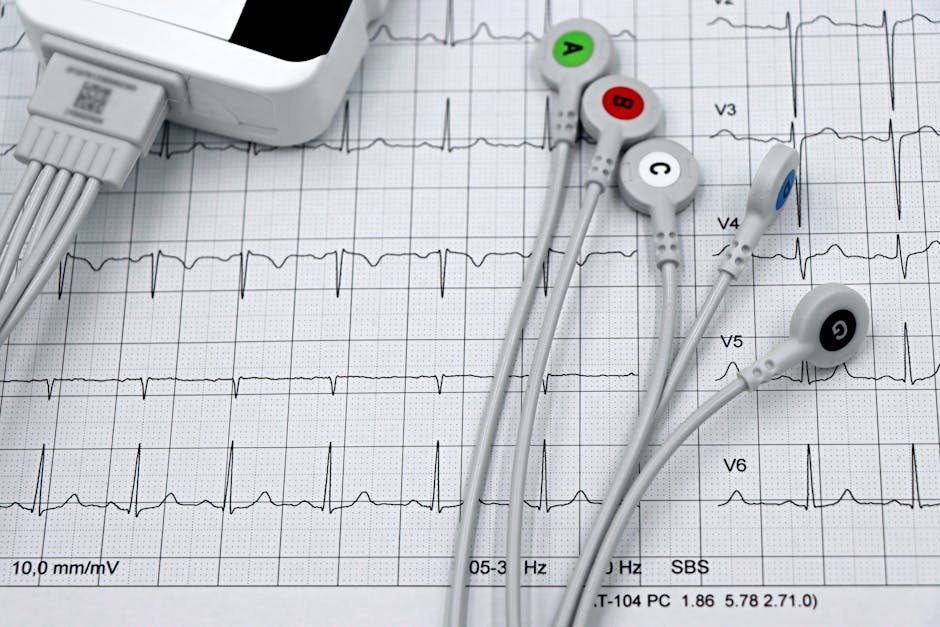
The term “inpatient” gets used loosely in eating disorder treatment, and the differences matter clinically and financially. Three distinct levels exist. Medical inpatient is admission to an acute-care hospital, typically a pediatric or general internal medicine floor, with cardiac monitoring, IV access, and 24-hour physician availability. Psychiatric inpatient is admission to a locked behavioral health unit, focused on suicidality or psychiatric crisis but generally without specialised refeeding capacity. ED-specialised inpatient is a hybrid model, offered at a small number of facilities including the ACUTE Center at Denver Health and the Renfrew inpatient unit, that combines medical stability monitoring with eating disorder-specific protocols.
The right level depends on the specific clinical picture. A 14-year-old with a heart rate of 38 and a potassium of 2.6 needs medical inpatient. A 17-year-old with stable vitals and active suicidal ideation needs psychiatric inpatient. A 24-year-old with a BMI of 13, a heart rate of 42, and a 9-year history of severe restriction often needs ED-specialised inpatient because community medical units lack the refeeding expertise. Knowing the distinction between PHP vs residential and the next level above either matters when authorising admission.
Specific Criteria for Inpatient Admission
The American Psychiatric Association’s practice guidelines and the Society for Adolescent Health and Medicine 2022 position paper provide quantitative criteria. The following typically warrant inpatient medical admission: heart rate below 50 awake or below 45 asleep, systolic BP below 90, orthostatic changes greater than 20 mmHg, body temperature below 95.5, weight below 75 percent of expected body weight, BMI below 15 in adults, electrolyte abnormalities (potassium below 3.5, phosphorus below 2.5), prolonged QT on ECG, syncope, and acute complications including pancreatitis from refeeding.
Behavioral indications also drive admission. Failure to respond to lower levels of care, defined as not gaining weight or actively losing weight in residential or PHP, is a clear indicator. Suicidal ideation with intent, severe co-occurring substance use, and active self-harm requiring locked-unit safety are also standard reasons for inpatient placement.
Refeeding Syndrome: The Specific Medical Risk
Refeeding syndrome is the cluster of metabolic complications that occur when a malnourished patient receives carbohydrate calories after extended restriction. The shift from fat metabolism to glucose metabolism triggers insulin release, which drives potassium, phosphorus, and magnesium into cells. Plasma electrolyte levels drop precipitously, sometimes within 12 to 24 hours. Severe refeeding can cause cardiac arrhythmia, seizure, respiratory failure, and death.
Modern protocols, codified in the 2020 ASPEN consensus guidelines, address this risk through measured caloric initiation and aggressive electrolyte replacement. Standard practice now starts at 1,200 to 1,500 calories per day rather than the older 800-calorie approach. Daily phosphorus, potassium, and magnesium labs run for the first 5 to 7 days. Prophylactic thiamine 100 mg daily prevents Wernicke’s encephalopathy. The goal is steady weight restoration of 0.5 to 1 kg per week.
Length of Stay: 10 to 21 Days for Medical Phase
Medical inpatient admission for eating disorders typically runs 10 to 21 days. The goal is medical stabilisation, not psychological recovery. Discharge criteria include stable vital signs (heart rate above 50, no orthostasis), normalised electrolytes for at least 72 hours off supplementation, weight gain trajectory established, ability to consume meals without medical complication, and a step-down placement secured. Patients are not expected to resolve their eating disorder during medical inpatient. They are expected to be safe to leave the hospital.
Length-of-stay pressure from insurers is intense. Aetna and UnitedHealthcare commonly authorise initial 7 to 10 days and require concurrent review for extensions. Documentation of ongoing medical instability, even when subtle, supports continued authorisation. The Mental Health Parity and Addiction Equity Act and its 2021 amendments require parity with medical-surgical benefits, but enforcement varies. The Anna Westin Act, signed in 2016 and incorporated into the 21st Century Cures Act, specifically clarified that ED treatment qualifies for parity protection and prohibited several common discriminatory practices.

Specific Facilities With Medical EDU Capacity
Few American hospitals have a dedicated eating disorder medical unit. The ACUTE Center for Eating Disorders at Denver Health is the national reference. ACUTE specialises in patients at the extreme end of malnutrition and maintains a length of stay around 21 to 30 days. The Stanford Comprehensive Eating Disorders Program runs a medical inpatient unit at Lucile Packard Children’s Hospital with pediatric specialty.
Eating Recovery Center operates “24-hour medical care” units in Denver, Chicago, San Antonio, and Bellevue. Renfrew Center has medical inpatient capacity in Philadelphia. CHOP, Boston Children’s, Cincinnati Children’s, and the University of Iowa all run pediatric ED programs with inpatient capability. Most general hospitals will admit a medically unstable patient but have variable refeeding expertise. Our overview of broader eating disorder treatment centers covers the full continuum.
Pediatric vs. Adult Considerations
Pediatric medical inpatient differs from adult care. Pediatric refeeding tolerates higher caloric initiation than older protocols allowed. Family-Based Treatment (FBT), the Maudsley model validated through multiple RCTs, is standard for adolescents with anorexia and is often initiated during the inpatient stay. Parents control meals and weight goals during early phases.
Adult inpatient care emphasises patient autonomy and individual psychotherapy more, with family involvement variable based on patient consent. The recovery trajectory is often more protracted in adults with longer-duration illness. Both populations benefit from teams including internal medicine attendings, dietitians with the CEDS-RD credential, psychiatrists with ED experience, and bedside nurses trained in refeeding monitoring.
Step-Down Care: Where Patients Go After Inpatient
Discharge from medical inpatient transitions to one of three settings. Residential treatment runs 30 to 90 days at programs like Eating Recovery Center, Renfrew, and Center for Discovery. Partial hospitalisation provides 6 to 8 hours of programming five to seven days per week. Intensive outpatient at 3 hours three to five days per week serves milder cases.
Discharge planning should begin within 48 to 72 hours of admission. Patients discharged without a confirmed step-down placement have significantly worse 30-day outcomes; the gap is when relapse most often occurs. The progression through eating disorder PHP often follows residential or directly follows inpatient depending on stability.
Insurance Authorisation and the Anna Westin Act
The Anna Westin Act of 2016, named for a young woman who died of anorexia after her insurance refused continued coverage, codified parity protections for eating disorder treatment. The law specifies that ED diagnoses qualify under MHPAEA and that residential treatment must receive parity with medical-surgical residential admissions.
- Medical inpatient is generally covered under medical-surgical benefits, not behavioral, with deductibles and coinsurance specific to that side of the policy
- ED-specialised inpatient may be billed under either side depending on how the facility holds its license; this affects out-of-pocket costs significantly
- Authorisation reviews typically occur every 3 to 5 days during the admission
- Peer-to-peer reviews between the attending physician and the insurer’s medical director can override initial denials in many cases
- State-level appeal rights apply if internal appeals fail; the patient or family has 60 days to file in most states
- Single-case agreements at out-of-network ED specialty centers are negotiable when in-network options are inadequate
Documentation matters. The medical record should clearly note vital signs, electrolyte values, weight trajectory, and the specific clinical reasoning supporting continued admission. Generic notes citing “still in treatment” do not support extensions; specific medical instability does.
Family Involvement During the Inpatient Stay
For pediatric patients, family involvement is structural rather than optional. FBT-aligned units include parents in meal observation, dietary education, and discharge planning. Adult patients have more variable family involvement, contingent on their consent. ED-specialised inpatient programs generally include at least one family meeting weekly.
Family education during inpatient should cover the medical rationale for refeeding, how to interpret weight gain, what to expect from ED cognitive symptoms during early refeeding, and how to support meals without becoming the food police. Programs that send families home without that education set up predictable conflict after discharge.
Frequently Asked Questions
Can I refuse inpatient admission for my child?
Parents retain medical decision-making for minors, but a treating physician who believes a child meets criteria for medical inpatient and is being denied that level of care has a duty to involve child protective services in some states. The conversation is usually clinical rather than adversarial. If you are unsure whether admission is necessary, request a second opinion from another pediatrician or pediatric ED specialist. Multidisciplinary consultation often clarifies whether the case truly needs the hospital level or whether an aggressive PHP would suffice.
What about adult patients who refuse inpatient?
Competent adults can refuse medical care, including inpatient admission. The exception is when an eating disorder has progressed to the point that decisional capacity is genuinely impaired by malnutrition (a recognized clinical phenomenon at very low BMI), or when suicidal ideation meets criteria for emergency hold. Some patients in long-standing severe anorexia have been admitted under medical necessity by court order, though the legal threshold is high and the practice varies by state.
Will my insurance cover the full inpatient stay?
Most commercial plans will cover medical inpatient as long as documented medical instability persists. Out-of-pocket costs depend on plan structure, but families with HSA-qualified high-deductible plans should expect to meet the full deductible (often $5,000 to $10,000 individual) before the plan pays. PPO plans with co-insurance typically cover 70 to 90 percent after deductible. Medicaid coverage is broad in expansion states and inconsistent elsewhere. The hospital financial assistance office can identify patients eligible for charity care, often subsidising or eliminating bills for households below 300 to 400 percent of federal poverty.
How is feeding actually delivered in inpatient?
The first-line method is supervised oral meals, typically 1,200 to 1,500 calories per day distributed across three meals and two to three snacks, delivered as standard food on a tray. Refusals or partial meals are addressed with liquid supplement (Ensure or Boost) at standard caloric replacement. Some programs use nasogastric (NG) tube feeding for patients unable or unwilling to take adequate oral intake; NG is considered a clinical tool, not a punishment, and is typically time-limited. Total parenteral nutrition is rare and reserved for severe gastrointestinal complications.
What if my local hospital does not have an ED program?
For acute medical instability, the nearest emergency department is the right starting point. Once stabilised, transfer to an ED-specialised facility may be appropriate if the patient requires extended refeeding management. ACUTE Denver, Stanford, CHOP, Boston Children’s, and Eating Recovery Center all accept inter-hospital transfers. Air transfer is sometimes covered by insurance for patients in remote areas.
The Bottom Line
The hospital phase of an eating disorder is a specific, time-limited intervention with measurable goals. Inpatient eating disorder treatment exists to keep a patient alive long enough to begin the longer work of recovery elsewhere. It is not the place where eating disorders get cured, but for a patient whose body has crossed certain medical thresholds, it is the only safe place from which the rest of treatment can begin. Families and patients who understand the criteria, the protocols, and the step-down trajectory navigate this phase better. The right admission to the right unit at the right time can change a life.
If you or someone you love is in crisis, call or text 988, the Suicide and Crisis Lifeline. The National Eating Disorders Association also operates a helpline at 1-800-931-2237. For more clinical guidance and resources, see the National Eating Disorders Association and NIH.
This article is for educational purposes only and does not constitute medical advice. Treatment decisions for eating disorders should be made in consultation with licensed clinicians who have personally evaluated the patient.