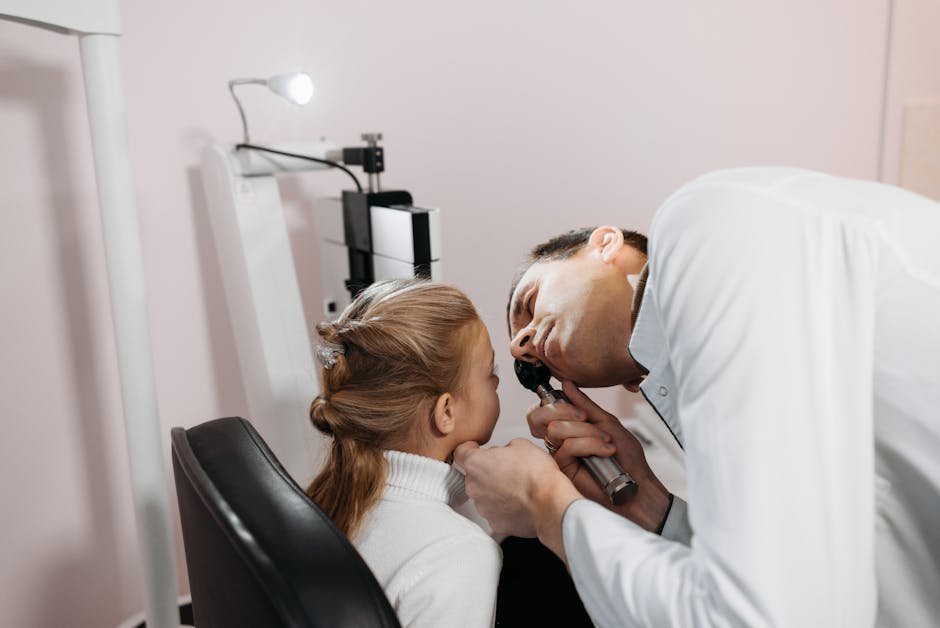
Emma Patel was eight years old when her mother Priya finally stopped trusting the advice from the parenting forums. Priya, a software engineer in Raleigh, had spent two years rotating through every sleep tip the internet offered. Earlier bedtimes. Later bedtimes. No screens. White noise. Magnesium. Melatonin. None of it stuck. Emma still woke three or four times a night, snored loudly when she did sleep, and was a different child by Wednesday afternoon at school. Her teacher had begun mentioning attention problems. The pediatrician offered a referral to a behavioral therapist. Priya pushed for more. After a 90-minute consultation with a board-certified pediatric sleep specialist at Duke, Emma underwent an in-home sleep study, was diagnosed with moderate obstructive sleep apnea linked to enlarged tonsils, and had surgery six weeks later. By spring break she was sleeping ten hours a night for the first time in her life. The teacher’s notes about attention disappeared by April. Sleep is not just a parenting problem. When it persists, it becomes a mental health and medical issue, and the right specialist can change everything.
When sleep problems require a specialist
Most childhood sleep problems resolve with consistent routines, age-appropriate bedtimes, and patience. A subset does not. The threshold for involving a pediatric sleep specialist is clearer than many parents realize. Persistent insomnia past age five that has not responded to behavioral changes, snoring with pauses or gasping, daytime sleepiness despite adequate hours in bed, frequent night terrors past age seven, sleepwalking that causes injury risk, sudden cataplexy episodes, and circadian rhythm complaints that disrupt school all warrant evaluation. Restless legs symptoms, including a child who cannot keep still in bed and rubs the legs at night, are another flag. Parasomnias that include violent movement, vocalization, or amnesia in the morning deserve specialist input.
The American Academy of Pediatrics estimates that 25 to 50 percent of children experience some sleep problem in childhood, but only about 4 percent meet criteria for a chronic sleep disorder requiring specialist care. The challenge is sorting which is which. A pediatrician who runs out of options at the eight-week mark should refer rather than continue trial-and-error.
The ADHD-sleep overlap that gets missed
Sleep problems and ADHD overlap so heavily that many children are diagnosed with ADHD when the underlying issue is undiagnosed sleep apnea or chronic sleep deprivation. Children with sleep-disordered breathing often present with hyperactivity, inattention, irritability, and emotional dysregulation that look indistinguishable from ADHD on a parent rating scale. Research from the National Heart, Lung, and Blood Institute and pediatric pulmonology centers has shown that treating sleep apnea in school-age children resolves ADHD-like symptoms in a meaningful subset of cases.
The opposite is also true. ADHD itself disrupts sleep. Children with ADHD often have delayed sleep onset, restless sleep, and difficulty waking. Stimulant medications can compound the picture. A skilled pediatric sleep specialist will work with the prescribing clinician to evaluate both directions and adjust accordingly. Our piece on finding the right ADHD specialist covers the diagnostic side in depth.
Board-certified sleep medicine pediatricians
The strongest credential for pediatric sleep care is board certification in sleep medicine through the American Board of Medical Specialties or the American Board of Sleep Medicine, paired with a base certification in pediatrics or pediatric pulmonology, neurology, or otolaryngology. Sleep medicine is a subspecialty that requires fellowship training. Not every pediatrician who advertises sleep services has completed this fellowship. The American Academy of Sleep Medicine maintains a directory at aasm.org with searchable filters for accredited sleep centers and pediatric specialists.
For complex cases, look for accredited pediatric sleep centers attached to children’s hospitals. These centers typically include pediatric pulmonologists, sleep neurologists, behavioral sleep psychologists, ENT surgeons, and respiratory therapists who collaborate on diagnosis and treatment. The American Academy of Pediatrics publishes parent-facing guidance at healthychildren.org on when to seek evaluation.
In-home pediatric sleep studies and what they measure
Sleep studies have become more accessible for children in the past decade. The gold standard remains in-laboratory polysomnography, which measures brain waves, oxygen, breathing patterns, heart rhythm, leg movements, and sleep stages across an entire night with the child sleeping in a sleep lab room with a parent. For children with strong indications of obstructive sleep apnea who cannot tolerate a lab study, some centers now offer modified home sleep apnea testing, though pediatric guidelines still favor lab-based studies for accurate diagnosis in younger children.
What the study reveals matters as much as the data itself. A pediatric sleep specialist will not just hand parents a printout. They will explain the apnea-hypopnea index, the oxygen desaturation pattern, the proportion of sleep spent in each stage, and how those numbers translate into a treatment plan. Treatment may include adenotonsillectomy, CPAP for older children, orthodontic intervention, weight-related care, or behavioral sleep medicine.
Behavioral sleep medicine and CBT-I for adolescents
For chronic insomnia in older children and adolescents, the most effective treatment is not a pill. It is Cognitive Behavioral Therapy for Insomnia, often called CBT-I. The approach combines sleep restriction, stimulus control, cognitive restructuring around sleep beliefs, and sleep hygiene education. Adolescent CBT-I has been adapted with shorter sessions, technology-based delivery, and parent involvement when clinically appropriate. Studies in adolescents have shown durable improvements that often outlast medication-based approaches.
Behavioral sleep medicine specialists are typically licensed psychologists with additional training in sleep, certified through the Society of Behavioral Sleep Medicine. They work alongside pediatric sleep physicians on cases that combine medical and behavioral components. For adults and older teens, our broader piece on CBT-I for insomnia covers the protocol in detail.
Melatonin: the Cochrane evidence and dosing pitfalls
Melatonin has become the most common over-the-counter sleep aid given to American children, often without medical guidance. Cochrane reviews and pediatric sleep society statements have noted modest evidence for melatonin in specific pediatric populations, particularly children with autism spectrum disorder, ADHD, and certain neurodevelopmental conditions. The evidence in typically developing children with garden-variety insomnia is much weaker. The American Academy of Sleep Medicine and the American Academy of Pediatrics have both issued cautions about routine use.
Dosing pitfalls are common. Many parents give doses ten or twenty times higher than what research supports. Studies suggest pediatric melatonin doses in the 0.3 to 1 milligram range, given 30 to 60 minutes before target sleep time, are usually adequate when melatonin is appropriate at all. Higher doses do not work better. Long-term safety data in children remains limited, especially for chronic daily use. Quality control of supplement-grade melatonin is also inconsistent. Parents who want to use melatonin should do so under specialist supervision rather than as a default tool.
Common pediatric sleep disorders by category
Pediatric sleep specialists see a recurring set of disorders that fall into recognizable groupings.
- Sleep-disordered breathing, including obstructive sleep apnea and primary snoring, often related to enlarged tonsils and adenoids in school-age children.
- Insomnia disorders, including behavioral insomnia of childhood, sleep-onset association type, and limit-setting type.
- Parasomnias, including night terrors, sleepwalking, confusional arousals, and REM behavior disorder.
- Restless legs syndrome and periodic limb movement disorder, often linked to iron deficiency and underdiagnosed in children.
- Circadian rhythm disorders, particularly delayed sleep-wake phase disorder common in adolescents.
- Narcolepsy and central hypersomnias, rare but serious and requiring specialist evaluation.
Insurance coverage for pediatric sleep evaluation
Most major commercial insurance plans and Medicaid cover pediatric sleep studies and specialist consultations when ordered by a referring physician with appropriate documentation. Prior authorization is common. Insurers often require documentation of failed behavioral interventions, specific symptoms suggesting a medical sleep disorder, and the referring clinician’s clinical reasoning. Denial of an initial request is not unusual. A peer-to-peer review with the insurance medical director frequently overturns denials.
Out-of-pocket costs for in-laboratory polysomnography typically run $1,500 to $3,500 before insurance contracting. Most accredited centers contract with major insurers. Behavioral sleep medicine sessions are usually billed under standard psychotherapy codes and follow Mental Health Parity rules, meaning coverage should not be more restrictive than for medical conditions. We discuss broader child and adolescent therapy navigation in our overview of child and adolescent therapy.
Screen time, AAP guidelines, and parent education
The American Academy of Pediatrics has updated its screen time guidelines several times in the past decade and now emphasizes individualized family media plans rather than fixed hour limits. The relevant point for sleep is consistent. Bright screens, especially short-wavelength blue light, suppress melatonin secretion in children and adolescents and delay sleep onset. The AAP recommends screen-free wind-down for at least 30 to 60 minutes before bedtime and removing devices from bedrooms overnight.
Parent education is itself a component of pediatric sleep medicine. A specialist will spend significant time on age-appropriate sleep needs, the impact of weekend sleep schedules on weekday function, the role of caffeine in adolescent sleep, and how anxiety and depression interact with sleep complaints. The most successful treatment plans pair medical interventions with structural changes the family can sustain. Sleep is rarely just the child’s problem to fix.
Frequently asked questions
At what age should I worry about my child’s snoring?
Persistent loud snoring at any age beyond infancy warrants pediatric evaluation, especially if it is paired with pauses, gasping, mouth breathing, restless sleep, or daytime symptoms. Snoring is not a normal childhood trait, even though it is common.
Is melatonin safe for long-term use in kids?
Long-term safety data is limited. Short-term use under clinician guidance for specific indications is generally accepted, but chronic daily use without medical supervision is not recommended. Talk to your pediatrician or sleep specialist before starting.
Can a sleep study be done at home for children?
Some centers offer home sleep apnea testing for older children with strong clinical indications, but in-laboratory polysomnography remains the gold standard for most pediatric cases. Discuss the options with your specialist.
How do I know if my teenager has a circadian rhythm disorder versus just bad habits?
Persistent inability to fall asleep before 1 or 2 AM despite consistent attempts, paired with significant difficulty waking for school, can indicate delayed sleep-wake phase disorder. A sleep specialist can evaluate using sleep diaries, actigraphy, and sometimes laboratory testing.
Will my pediatrician feel slighted if I push for a referral?
Most will not. Pediatricians refer to specialists daily and welcome the partnership for chronic cases. Frame the request as wanting the most thorough evaluation, not as a critique.
The bottom line
A pediatric sleep specialist is the right next step when your child’s sleep problems have not responded to consistent behavioral changes, when snoring or breathing concerns persist, when daytime function suffers despite adequate hours in bed, or when you suspect a medical sleep disorder. The connection between sleep and mental health in children is one of the strongest links in pediatric medicine. Treating the sleep problem often resolves what looked like an attention disorder, an anxiety disorder, or a behavioral disorder. Pursue evaluation at an accredited pediatric sleep center, ask about board certification, and resist the temptation to keep cycling melatonin or new bedtimes when an underlying disorder is the real story. Your child’s sleep, attention, and emotional life are one biological system, and the right specialist treats them that way.
If your child or teen is in mental health crisis, call or text 988 to reach the Suicide and Crisis Lifeline. Counselors are trained to support callers of any age and connect families to local follow-up resources at no cost.
This article is for educational purposes and does not replace medical advice from a licensed pediatrician or sleep specialist. If you have concerns about your child’s sleep, please consult a qualified medical professional.