Cody Whitcomb walked into the Hennepin County emergency department in Minneapolis on a cold Tuesday morning in February, three days after his last hit of methamphetamine. He had not slept more than two hours total since arriving. He was crying, shaking, and convinced he should not be alive. The triage nurse logged him as “stimulant withdrawal, suicidal ideation,” and he was admitted to the psychiatric observation unit upstairs. Cody had used meth daily for six years, and this was his fourth attempt to quit. The first three had failed within 96 hours, in the same window that nearly killed him this time. What was different about attempt number four was that Hennepin’s program understood something most rehabs do not: the early phase of stimulant withdrawal is the highest-risk window for suicide, and the standard 30-day rehab admission timeline does not match the stimulant recovery curve. Cody stayed 10 days inpatient, then transitioned to a contingency management outpatient program, and at 14 months sober is back to coaching his daughter’s basketball team in St. Paul. The right framework saved his life. The wrong one would have lost him.
For anyone trying to understand stimulant withdrawal detox for cocaine, methamphetamine, or amphetamines, the first thing to know is that the standard substance use treatment system was built around alcohol and opioids and does not cleanly fit the stimulant recovery timeline.

The Three Phases of Stimulant Crash
Stimulant withdrawal does not look like opioid or alcohol withdrawal. There are no seizures, no DTs, no autonomic storm. The crash is psychological more than physical, which makes it easy to underestimate clinically. The phase model first described in cocaine literature in the 1980s and confirmed in methamphetamine work since:
- Early crash phase (9 hours to 4 days): profound exhaustion, hypersomnia (often 16 to 20 hours sleep daily), intense hunger, anhedonia, severe depression with high suicide risk, vivid drug dreams
- Middle phase (1 to 10 weeks): sleep normalizes, dysphoria persists, intense cravings emerge, anhedonia continues, motivation is severely impaired, depression often peaks at weeks 2 to 4
- Extinction phase (up to 28 weeks): gradual return of pleasure response, reduced cravings, residual cognitive sluggishness, vulnerability to triggered relapse
The early crash window is when most overdose deaths and suicide attempts during recovery happen. Outpatient detox during this period is genuinely dangerous because the person looks “just tired and sad” but their brain dopamine system is depleted in a way that produces real, lethal hopelessness.
Why There Is No Approved Detox Medication
For alcohol withdrawal, benzodiazepines work. For opioid withdrawal, methadone and buprenorphine work. For stimulant withdrawal, no FDA-approved medication exists despite decades of research. The reason is mechanistic: stimulants act by flooding dopamine and norepinephrine into the synapse and depleting reserves. There is no straightforward replacement strategy because the underlying neurotransmitter pool needs time to rebuild, and rebuilding cannot be pharmacologically rushed without re-creating the addiction.
This produces a counterintuitive treatment landscape. The standard “medical detox” model that works for alcohol or benzos (intensive medication management for 5 to 7 days, then step down) does not apply. Hospitals that bill 7-day stimulant detox often do little more than provide a safe place to sleep, monitor for suicide risk, and treat secondary symptoms like nutritional depletion. Useful background on how the broader rehab system handles these realities appears in our coverage of the true cost of drug and alcohol rehab.
Supportive Care: What Actually Helps in the First 14 Days
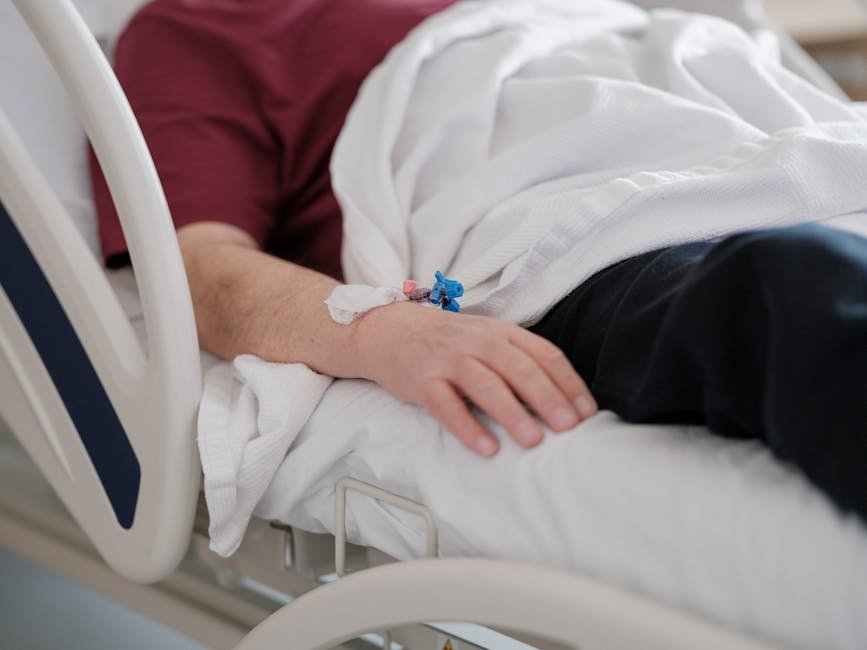
Without a magic medication, supportive care becomes the entire treatment. The components that matter most:
- A safe environment with 24-hour observation during the first 5 to 7 days, particularly for high-suicide-risk patients
- Regular meals, often with calorie-dense supplements (Ensure, peanut butter, milkshakes) because appetite is initially gone but malnutrition is common
- Hydration monitoring; many users arrive significantly dehydrated
- Sleep allowed without restriction during the first 72 hours (the body needs the catch-up sleep)
- Brief, structured activities once initial sleep cycle resolves: short walks, simple group sessions, basic life skills
- Family involvement when safe and welcomed by the patient
- Screening for medical complications: dental damage, skin infections, cardiovascular issues from chronic stimulant use, hepatitis C and HIV testing
Off-Label Medications That Sometimes Help
Several medications have modest evidence for symptomatic relief during stimulant withdrawal and ongoing recovery:
- Mirtazapine (Remeron) 15 to 30 mg at bedtime: helps sleep restoration, appetite return, and may reduce methamphetamine craving in early recovery; supported by a 2020 randomized trial
- Bupropion 300 mg daily: modest effect on cravings, especially for cocaine; used cautiously due to seizure threshold
- Topiramate: some evidence for cocaine and methamphetamine craving reduction at 200 to 300 mg daily; tolerability limits use
- Naltrexone 50 mg daily: modest evidence for amphetamine relapse reduction; particularly useful when alcohol use disorder co-occurs
- Bromocriptine: rarely used today, but historical literature exists for early cocaine crash dysphoria
None of these are gold-standard tools. They are adjuncts. The National Institute on Drug Abuse (NIDA methamphetamine research) maintains current evidence summaries on what is and is not working in stimulant pharmacotherapy.
Contingency Management: The Gold Standard for Long-Term Recovery
For ongoing stimulant use disorder treatment beyond the detox phase, contingency management (CM) has the strongest evidence base of any intervention. CM provides immediate, tangible incentives (vouchers, gift cards, prizes) for negative urine drug screens. Effect sizes in randomized trials exceed those of cognitive behavioral therapy or 12-step facilitation for stimulant use disorders.
The Veterans Health Administration formally adopted CM in 2011 and offers it across its substance use treatment programs. Civilian access has been historically limited because federal anti-kickback statutes were interpreted to prohibit “paying patients to be sober.” A 2020 OIG advisory opinion clarified the legal landscape, and CM programs have been expanding since. California Medicaid (Medi-Cal) added a CM benefit in 2022 paying up to $599 per recovery episode. Several Pacific Northwest and Massachusetts Medicaid programs have followed.
Cognitive behavioral therapy, the Matrix Model (a 16-week structured outpatient program developed for stimulant users in the 1980s and still widely used), and Mutual Help groups like Crystal Meth Anonymous round out the evidence-based outpatient toolkit. Many people recover with combinations rather than single approaches.
Methamphetamine-Specific Concerns
Methamphetamine recovery has additional considerations beyond cocaine recovery:
- Methamphetamine-induced psychosis can persist for weeks beyond the last use, sometimes requiring antipsychotic treatment
- Cognitive impairment (memory, executive function) is more pronounced and slower to resolve than with cocaine
- Dental damage (“meth mouth”) often requires extensive intervention and can be a major source of ongoing depression and self-image issues
- Cardiovascular complications (cardiomyopathy, hypertension) need monitoring during recovery
- Co-occurring fentanyl exposure has become common in 2024 to 2026 supply, complicating both withdrawal and overdose risk
The recent rise of fentanyl-contaminated stimulant supply means many people who think they are using only meth or cocaine have been physically dependent on fentanyl as well. This produces opioid withdrawal on top of stimulant crash and is a direct argument for inpatient detox in 2026 even when the patient denies opioid use. Our piece on methadone vs Suboxone covers the opioid management side of this scenario.

Distinguishing Stimulant Crash from Major Depression
One of the most consequential clinical decisions in early stimulant recovery is whether the depression seen at weeks 2 to 6 is a stimulant withdrawal phenomenon (which will resolve with time) or a primary major depressive episode (which needs antidepressant treatment). Misclassifying either produces problems.
Most clinicians wait at least 4 weeks of confirmed abstinence before diagnosing a co-occurring major depressive disorder. Symptoms that persist beyond 4 to 6 weeks at moderate or severe intensity, especially with prominent suicidality or psychomotor retardation, warrant antidepressant treatment regardless of the labeling. Patients with extensive depression history before stimulant use, family history of depression, or previous antidepressant response are typically treated earlier rather than waiting. The dual diagnosis framework matters here; our coverage of dual diagnosis treatment walks through how to manage co-occurring conditions.
Suicide Risk Monitoring in the First 30 Days
The early crash period and the week-2-to-4 dysphoria window are the two highest-risk suicide intervals in stimulant recovery. Practical safety measures during this period:
- Daily phone or in-person check-in with a treatment team member during the first 14 days
- Means restriction: firearm storage outside the home, prescription medication held by a family member
- Identified emergency contacts and a written safety plan
- Clear instructions to use the 988 Lifeline or call 911 if suicidal thinking escalates
- Family education on warning signs: increased isolation, giving things away, finalizing affairs, sudden calm after a difficult period
The Substance Abuse and Mental Health Services Administration (SAMHSA national helpline 1-800-662-4357) provides free 24-hour information and referral and can connect callers to local stimulant-specific programs.
Frequently Asked Questions
How long does cocaine or meth withdrawal last? The acute crash lasts 4 to 10 days. The protracted phase, with persistent low mood and intermittent cravings, typically lasts 8 to 28 weeks. Full neurochemical recovery on imaging studies often extends 6 to 12 months for chronic methamphetamine users.
Can I detox at home? For low-severity cocaine use without other substances and without suicidality, supervised home detox is sometimes feasible. For methamphetamine, daily heavy use, polysubstance use, or any history of suicidality, inpatient is strongly preferred for the first 5 to 10 days.
Will I sleep normally again? Yes, though it takes weeks. The first 72 hours involve massive catch-up sleep. Weeks 2 to 6 often feature insomnia. By weeks 8 to 12 most people return to roughly normal sleep architecture.
Why does it feel like nothing is enjoyable for months? Stimulants flood dopamine, and chronic use depletes the natural pool. Anhedonia (inability to feel pleasure) is the central feature of protracted withdrawal and resolves slowly as dopamine systems rebuild. Exercise, sunlight exposure, social connection, and time are the main accelerators.
Is contingency management really just paying me to be sober? Yes, in the simplest terms, with one important addition: the immediate reward exploits the same dopamine learning that addiction exploits, in service of recovery. Effect sizes are large because the mechanism matches the underlying neurobiology better than abstract long-term consequences do.
The Bottom Line
Stimulant withdrawal detox for cocaine and methamphetamine looks deceptively simple from outside. There are no seizures, no DTs, no rapid pulse spikes. Inside the experience, however, the early crash and the protracted dysphoria periods carry suicide risk that exceeds most other substance withdrawals. The lack of an FDA-approved detox medication shifts the entire treatment burden to supportive care, off-label adjuncts, and behavioral interventions like contingency management. Inpatient observation for the first 5 to 10 days is appropriate for moderate-to-severe users, especially in 2026 when fentanyl contamination of stimulant supply has become widespread. Recovery is real and lasting when the right scaffolding is built. Cody Whitcomb is one example of how the right inpatient stay, the right outpatient transition, and the right behavioral program turned a fourth attempt into a successful recovery. The framework matters more than willpower, more than family support alone, and more than any single medication.
If you or someone you love is in crisis, call or text 988 to reach the Suicide and Crisis Lifeline. Stimulant crash suicide risk is real, and the call is free and confidential.
This article is for informational purposes only and does not constitute medical advice. Stimulant use disorder treatment should be guided by qualified clinicians who can evaluate medical, psychiatric, and substance use history individually. Decisions about detox setting, medications, and ongoing care must be made with a licensed provider familiar with your specific situation.