By Daniel Reyes · Reviewed by the Kalmausam Editorial Team · Updated May 20, 2026
Acute psychotic break treatment is the urgent care a person receives when a sudden break from shared reality — hearing voices, fixed false beliefs, severe disorganisation, or terrifying confusion — makes daily life impossible. If this is happening to a loved one right now, you are not overreacting by seeking help. The first hours and days set the tone for the next year of recovery, and the path is more navigable than it feels.
If you or someone you love is in crisis or thinking about self-harm: call or text 988 (Suicide & Crisis Lifeline) anytime — free and confidential. If a person is in immediate danger to themselves or others, call 911 and ask for a CIT-trained officer if available.
What an acute psychotic break actually is
A psychotic break is a period — sometimes hours, sometimes weeks — where a person cannot reliably tell what is real. Symptoms commonly include hallucinations (often hearing voices), delusions (strongly held beliefs that are not true, such as being followed or having a special mission), disorganised speech, or behaviour that seems impossible to interrupt with normal conversation. The National Institute of Mental Health notes that a first episode of psychosis can be caused by schizophrenia spectrum disorders, severe bipolar or depressive episodes, substance use, certain medications, or medical conditions like infection or a thyroid storm. The point of acute psychotic break treatment is not to assign a final diagnosis on day one — it is to keep the person safe, identify reversible causes, and start medication and therapy that can shorten the episode.
How the evidence guides acute psychotic break treatment
The strongest evidence for first-episode psychosis comes from coordinated specialty care — a team approach combining low-dose antipsychotic medication, supportive psychotherapy, family education, and either work or school re-engagement. Studies summarised by NIMH’s RAISE programme show that people who enter this kind of care within six months of their first symptoms do measurably better at two years than those who only get standard outpatient follow-up. Inside a hospital, acute psychotic break treatment usually starts with a medical workup — vital signs, blood work, urine drug screen, sometimes a brain scan — to rule out infection, intoxication, or seizure activity before settling on a psychiatric explanation. The American Psychiatric Association emphasises shared decision-making about medication choice once the workup is complete.
Who acute psychotic break treatment is and is not a fit for
Emergency-level care fits any person who has lost contact with reality and cannot keep themselves safe, cannot eat or sleep, or is acting on delusions in a way that could hurt them or someone else. It is also the right level when symptoms began suddenly after a head injury, a high fever, or an unfamiliar drug exposure — those situations need medical eyes, not only a therapist’s. On the other hand, longstanding paranoid ideas with stable functioning, an obvious panic attack with chest-pain fears, or a single bad dissociative episode after trauma do not always need an inpatient bed. A mobile crisis team or urgent psychiatric clinic can sometimes evaluate at home before the family decides on the emergency room.

What to expect from the first ER visit and the first 72 hours
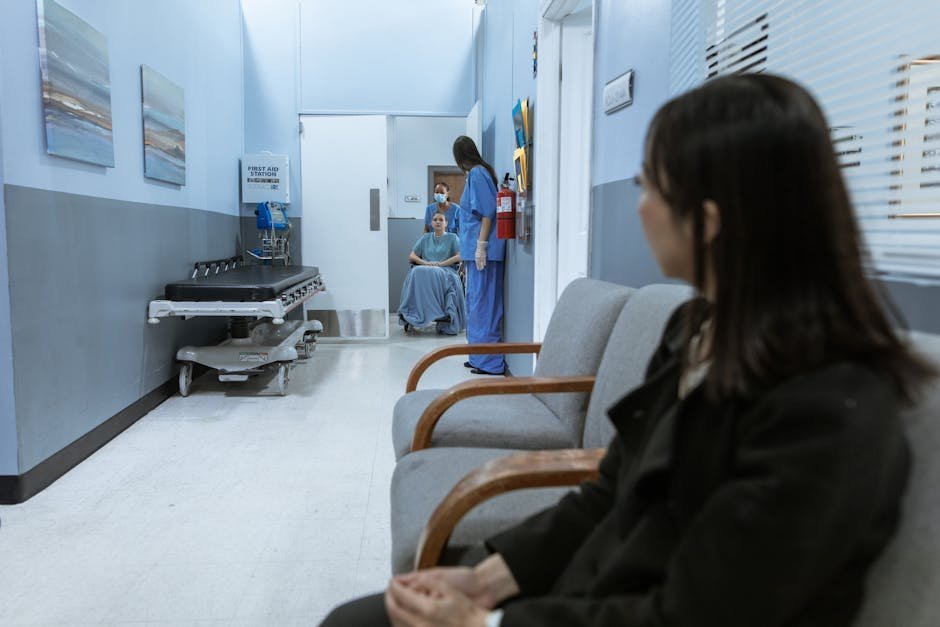
In most U.S. hospitals, acute psychotic break treatment begins with triage and a quiet room. A nurse asks about the timeline, medications, and substance use. A psychiatrist or psychiatric nurse practitioner evaluates risk, may offer a sedating or antipsychotic medication, and decides whether the person can return home with a safety plan or needs an inpatient bed. If admitted, the typical first 72 hours involve daily medication adjustments, a few brief therapy or family-meeting sessions, occupational therapy, and a discharge plan that links to outpatient follow-up. Families often feel the pace is both too fast (a diagnosis label appears within days) and too slow (insurance authorisation can lag). Reading our guide to crisis stabilisation units can help you understand the calmer non-hospital alternatives some communities offer.
What it costs and how insurance covers it
Inpatient psychiatric stays in the United States typically run $1,500 to $3,000 per day before insurance. Most commercial plans, Medicare Part A, and state Medicaid programmes are required to cover medically necessary psychiatric admissions on the same terms as any other hospital stay — that is the federal mental health parity law. In practice, the hospital’s utilisation reviewer will negotiate length of stay with your insurer day by day. If the insurer denies further days, you can request a peer-to-peer review and, if it fails, an expedited external appeal. Our deep-dive on parity violations walks through how to push back when something feels wrong.
How to find a treatment team you can actually access
Once the emergency phase is past, the goal is a coordinated team: a psychiatrist for medication, a therapist familiar with first-episode psychosis, and ideally a case manager. The federal findtreatment.gov locator filters by services and insurance. NAMI’s HelpLine (1-800-950-6264) can match families to local specialty programmes and to peer-led education. For people under 30, ask specifically about a Coordinated Specialty Care (CSC) clinic — programmes like OnTrackNY, EASA in Oregon, and NAVIGATE sites across the country exist precisely for this kind of acute psychotic break treatment follow-up. Veterans should also ask the VA about its first-episode psychosis programmes.

When to seek a higher level of care
If symptoms return after discharge — the voices come back, sleep collapses again, or the person stops taking the new medication and starts acting on delusions — do not wait for the next scheduled appointment. Call the prescribing psychiatrist’s after-hours line, the local mobile crisis team, or 988. If they cannot reach the person in time, calling 911 and asking for a CIT-trained officer (Crisis Intervention Team) is appropriate. Higher-level options include a return to inpatient, a step into a partial hospitalisation programme during the day, or a peer respite house if the person is no longer in danger but cannot manage alone. Our overview of the continuum of mental health care shows where each level fits.
Common questions families ask about acute psychotic break treatment
Will my loved one be hospitalised against their will? Every U.S. state has a civil-commitment statute that allows a brief involuntary hold (often 72 hours) if a person is found by a clinician to be a danger to themselves or others, or unable to care for themselves due to mental illness. Most admissions are voluntary. If you are worried about a hold and how the rights and timelines work, our piece on psychiatric holds walks through what to expect.
How long will the first medication take to work? Antipsychotic medication usually reduces severe agitation within hours, but the full effect on hallucinations and delusional thinking commonly takes one to four weeks. The clinical team will check side effects (movement, metabolic, sedation) at each visit and adjust accordingly. Do not change the dose without your prescriber.
Is one episode a life sentence? No. Many people have a single episode, recover, and never have another. Others have a recurrent course but stabilise on a long-term plan. Coordinated specialty care is built on the principle that early, sustained, low-stigma treatment produces the best long-term outcome — and the data support it.
Acute psychotic break treatment is rarely a single event. Most people who go through one need at least a year of structured support and ongoing medication, but the long-term outlook for first-episode psychosis is far better than the old textbooks suggested — especially with coordinated specialty care. If you are reading this in the middle of a crisis, the most important step is the closest one: get the person to an emergency department, call 988, or page the on-call psychiatrist. If you are reading this in calmer waters, build the team now. The best step is the one you can take this week.
Medical disclaimer: This article is for informational purposes only and is not medical, psychological, or psychiatric advice, diagnosis, or treatment. If you or a loved one are experiencing symptoms of a mental health condition, please consult a licensed clinician in your state.